Last updated November 23, 2026
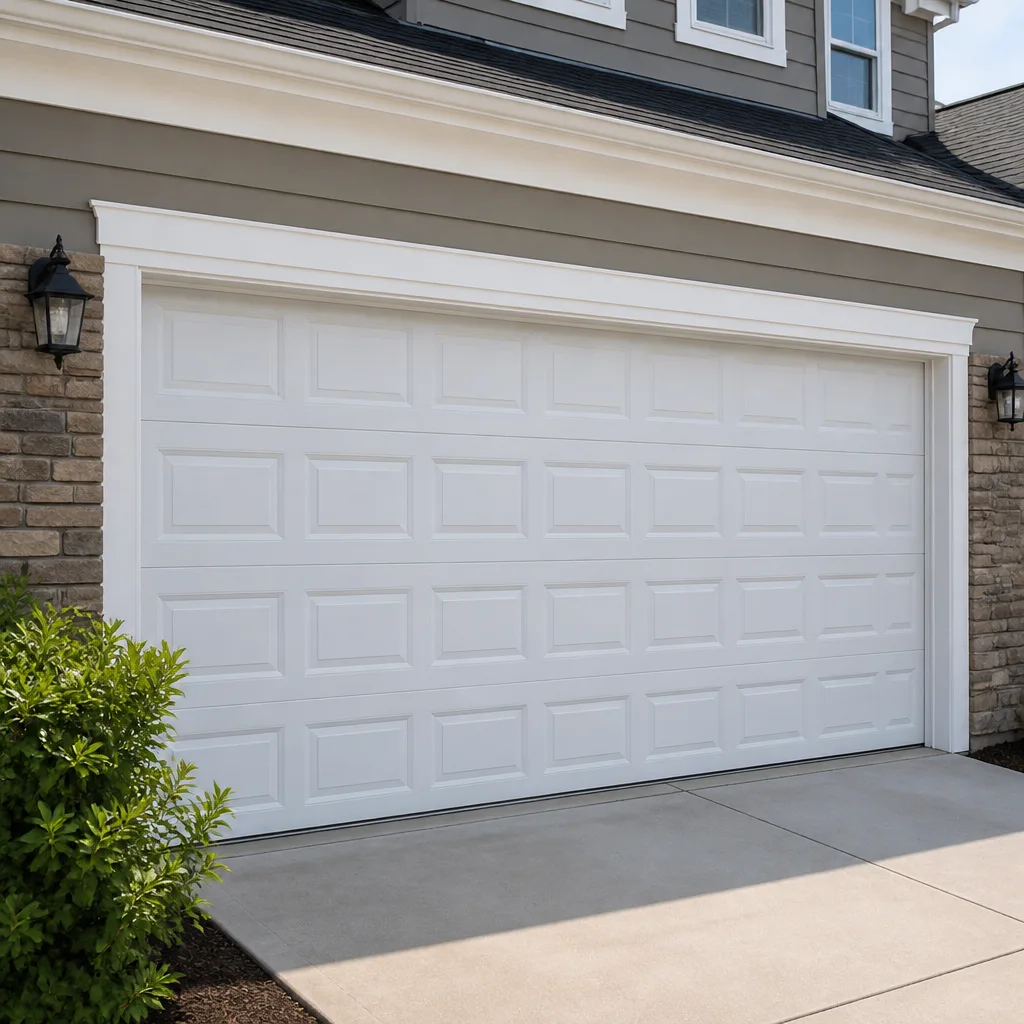 Raised-panel steel
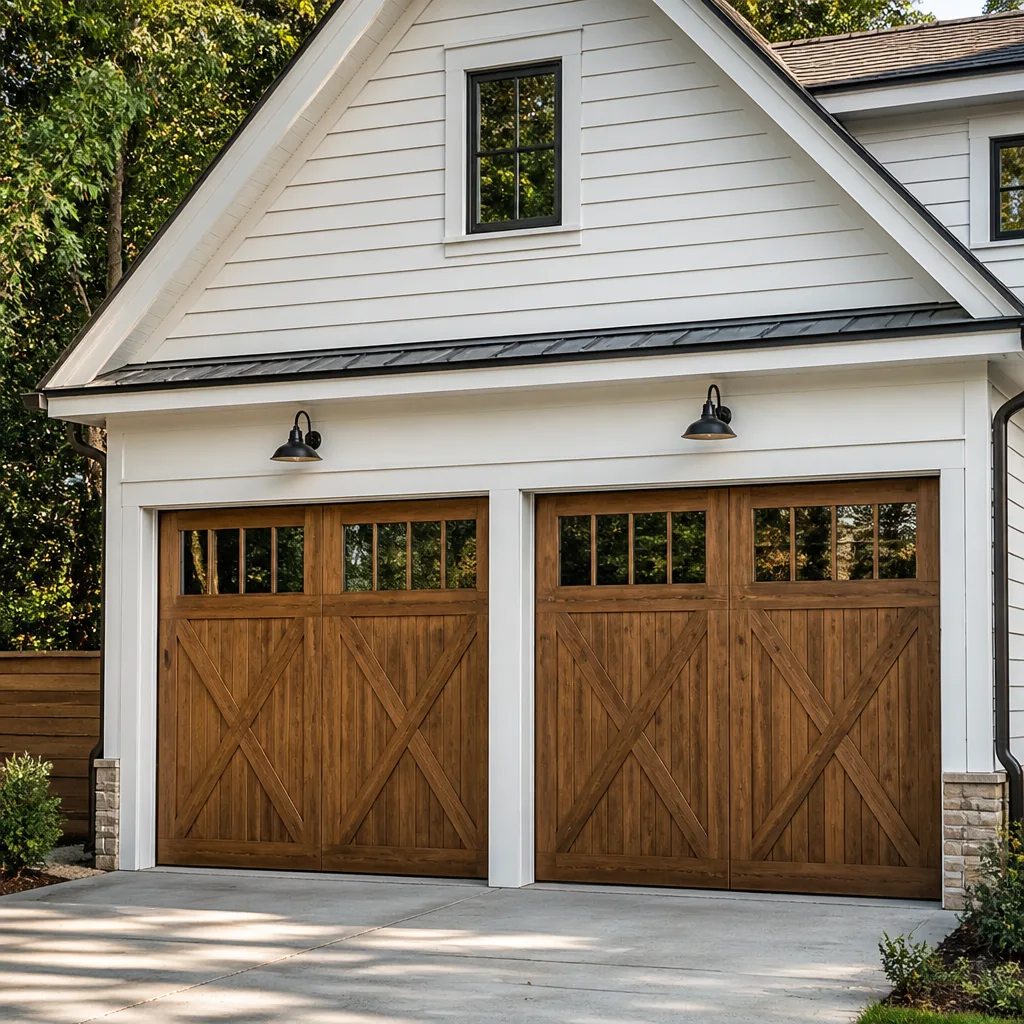 Carriage house
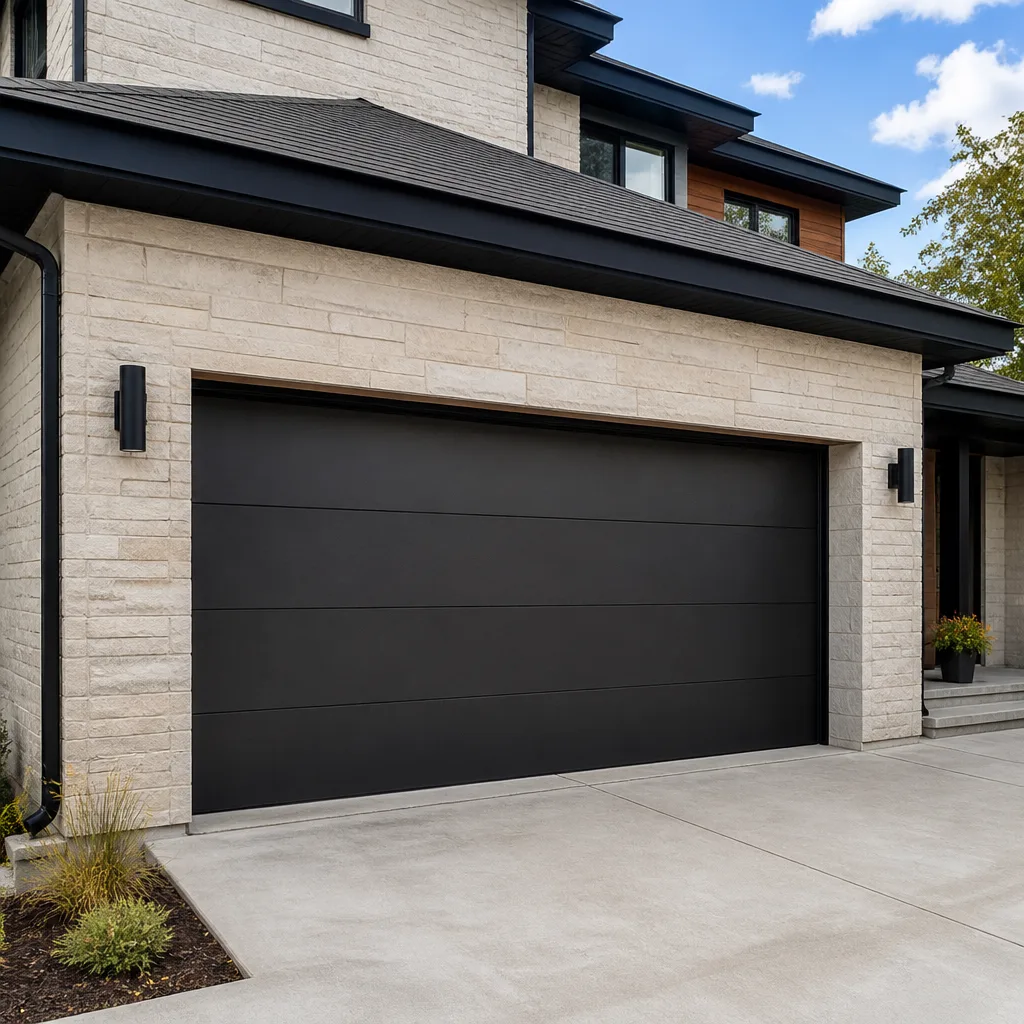 Modern flush
 Full-view glass
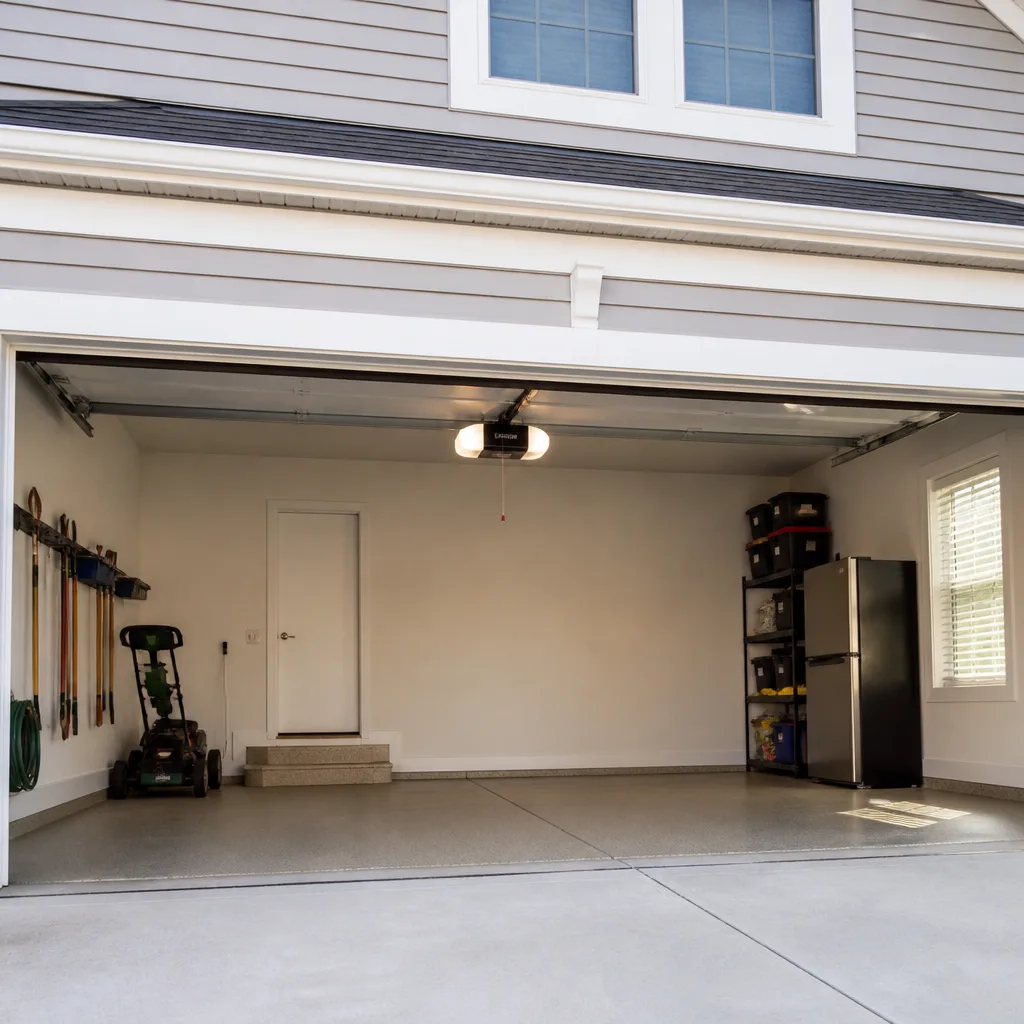 LiftMaster openers
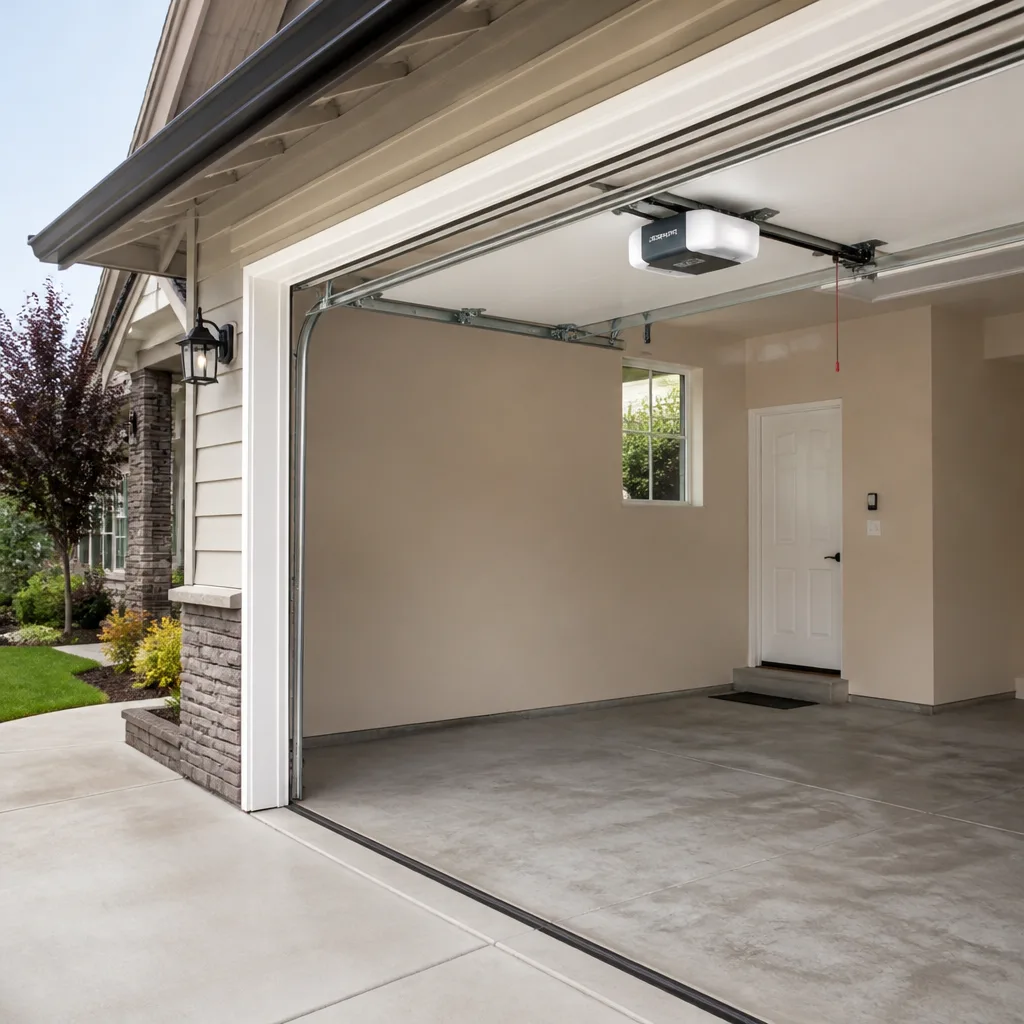 Chamberlain openers
Full 25-point door and opener safety check with every visit - springs, cables, rollers, tracks, and your LiftMaster or Chamberlain opener included
You get a price before we start. It does not change when the pro arrives.
Get your free estimateGarage Door Repair Maintenance Checklist for Port Chester Homeowners
The number-one cause of accelerated roller and hinge wear we see on service calls isn’t age. It’s WD-40. Homeowners spray it on everything that moves because every generic checklist they find online just says “lubricate moving parts” and stops there. WD-40 is a solvent, not a lubricant, and it strips the factory grease out of rollers and hinge pins so grit can grind the parts down faster. This guide replaces checkbox theater with actual specs: which lubricant goes on which component, which tension and balance tests you can safely run yourself, and which items look simple but belong to a trained technician. It’s written for Port Chester homeowners who’d rather prevent a failure than discover one on a cold morning with the car trapped inside. Our technicians have up to 10 years of experience, and we’ve turned what we’ve learned into a checklist you can actually use.
Quick Answer
A useful garage door maintenance checklist in Port Chester covers five things: lubricate hinges and rollers with white lithium grease (never WD-40), protect weather seals with silicone spray, keep the tracks clean and dry, run a balance and safety-reverse test every month or two, and visually inspect cables, springs, and panels for early wear signs. Leave spring tension, cable replacement, and any track straightening to a trained technician. The whole safe routine takes about 20 minutes, twice a year, and prevents most of the failures we get called out for.
Styles & brands we work with
- Raised-panel steel
- Carriage house
- Modern flush
- Full-view glass
- LiftMaster openers
- Chamberlain openers
Table of Contents
- Which Lubricant Goes Where (and What Never to Use)
- How to Test Balance and Safety Reverse Safely
- Visual Inspection Points That Predict Failure Months Ahead
- Weatherstripping Wear and Freeze-Thaw Cycles
- Which Checklist Items Are DIY-Safe and Which Aren’t
- Opener and Remote Checks by Brand
- A Seasonal Schedule for Port Chester
- Common Mistakes to Avoid
Which Lubricant Goes Where (and What Never to Use)
Lubrication is the item every checklist mentions and almost none explains. Get it wrong and you’ll shorten the life of parts that were fine. Use the right product in the right place and rollers, hinges, and springs stay quiet and last longer. Here’s the component-by-component breakdown we use on every Port Chester service call.
- Hinges: white lithium grease. Apply a small dab to each hinge pivot point, not the whole hinge plate. The grease stays where you put it and won’t run in warm weather.
- Rollers: white lithium grease on the roller bearings and stems. If your door uses nylon rollers, use a light silicone spray instead so you don’t attract grit.
- Weather seals and bottom rubber: silicone spray only. Lithium grease degrades rubber seals, so keep it away from the bottom seal and side weatherstripping.
- Tracks: nothing. Not oil, not grease, not spray. Tracks are meant to be dry and clean. Anything wet collects grit, which makes the door noisy and wears the rollers.
- Springs: a light coat of a proper spring lubricant, applied by a technician during a service visit. Homeowners should never put their hands near a wound torsion spring.
- Never use: WD-40 as a general lubricant, cooking spray, motor oil, or anything from the kitchen. All of these attract grime or strip existing grease.
Two products cover almost everything: a tube or spray can of white lithium grease and a can of silicone spray. That’s the entire lubrication kit for a residential door in Port Chester. Anything else is overkill or actively harmful. If you’re not sure what a roller or hinge needs, our garage door repair technicians can look during a routine visit.
How to Test Balance and Safety Reverse Safely
Balance and safety-reverse tests tell you whether the door is running under strain, whether the springs are doing their job, and whether the opener will stop and reverse if something gets in the way. Both tests are safe to run yourself as long as you keep your hands off the springs, cables, and brackets. Here’s the routine we recommend every month or two.
- Disconnect the opener. Pull the release cord (usually red) hanging from the trolley so the door operates by hand only. Do not disconnect while the door is open, because the door may drop.
- Lift the door halfway. Raise it to roughly waist height and let go. A balanced door stays in place or drifts very slightly. A door that slams down has a tension problem. A door that rises on its own has too much tension.
- Lower and raise it fully. Listen for grinding, squealing, or scraping. Run the door up and down once or twice by hand to feel for hitches or soft spots. That’s the sound of rollers, tracks, or a failing cable.
- Reconnect the opener. Push the trolley back so the release clicks into place, then run the door once with the remote.
- Test safety reverse. Place a piece of wood roughly two inches tall on the floor in the door’s path. Close the door with the remote. The door should reverse on contact with the wood. If it doesn’t, stop using the opener and call a technician.
- Test the photo-eye sensors. Wave your leg across the sensor beam while the door is closing. It should reverse immediately. If either sensor is loose, misaligned, or has a dirty lens, fix or clean it before running the door again.
If the door fails the balance test, resist the urge to adjust the springs yourself. The wrong adjustment can snap a torsion spring or crack a panel. Spring repair is a technician job; our garage door spring repair page explains how that job is handled and what to expect.
Visual Inspection Points That Predict Failure Months Ahead
Most of what we get called out for in Port Chester started as a visible sign the homeowner didn’t know to look for. A proper visual inspection takes ten minutes and warns you months ahead. Here’s what to look at and what it means.
Cables
Look for fraying, kinked strands, or rust at the drum ends. A cable is designed to last years, but the constant flex at the drum wears the strands. If you see a single broken wire, the cable is on its way out. Do not touch it; a cable under tension can cause serious injury. Call a technician.
Springs
Torsion springs sit above the door. Extension springs sit above the horizontal tracks. Look at the coil. If it’s curled, stretched, or shows a visible gap in the coil, it’s losing tension. If the door feels heavy when you lift it by hand, the spring is failing. Never touch, wind, or unwind a spring yourself.
Panels
Check for dents, rust along seams, cracked hinges, or loose door sections. Rust is most common at the bottom panel from standing water on the driveway. Loose hinges show up as rattling. Both are cheaper to repair when caught early; a bent section can jam and stress the opener.
Rollers and Hinges
Run a hand along the rollers (door down, opener disconnected) and look for flat spots or cracks. Nylon rollers crack; steel rollers develop flat spots. Rattling hinges usually mean worn bushings. New rollers and hinges cost far less than a repair forced by a failed part.
Tracks
Look for dents, misalignment, or a gap where the vertical track meets the horizontal. Use a level or a straight edge along the outside of the track. If the door shudders or binds, the track is usually the culprit. Track straightening sounds simple. It usually isn’t.
Hardware
Check bolts on the hinges, brackets, and track mounting points. Vibration loosens them over time. Tighten anything hand-loose, but stop there; overtightening mounting bolts can strip the metal and pull a track out of line.
Weatherstripping Wear and Freeze-Thaw Cycles
Port Chester’s freeze-thaw cycles are hard on garage door seals. Water gets into a small crack in the bottom seal, freezes overnight, expands, and widens the crack. Next thaw, more water gets in. By the end of winter, a seal that looked fine in fall is torn, stiff, and letting cold air and moisture through. Concrete slab garages feel the wear more because the slab moves with the frost and the door’s bottom seal is constantly compressed and released against an uneven edge.
What to look for in Port Chester, in order of how often we see it:
- Bottom seal splits: cracks along the length of the rubber, especially at the corners. The seal should be soft enough to compress and spring back. If it stays dented, it’s time to replace.
- Side weatherstripping gaps: light showing through at the vertical edges, or a stiff flap that doesn’t return to the door face. That’s cold air entering, which pushes your heating bill up and can frost the floor.
- Top seal wear: worn out over time from sun exposure and door movement. Less dramatic than the bottom, but it’s a common source of drafts.
- Frame rot: wood door frames near the bottom of the tracks soak up water during the freeze-thaw season. Press on the wood; if it feels soft, that’s a repair, not just a seal replacement.
The right product for upkeep is silicone spray on the seals themselves (keep the tracks dry). If a seal is split, stiff, or missing chunks, replace it rather than patch it. Cold air, pests, and moisture all get through a broken seal, and a single replacement is faster than chasing drafts all winter. On Clopay and Amarr doors, the bottom seal profile is usually matched to the door’s bottom retainer. Make sure the replacement is the right profile.
Which Checklist Items Are DIY-Safe and Which Aren’t
Some maintenance is genuinely homeowner territory, and some items only look that way. Here’s a clear line you can rely on.
Safe for you to do
- Lubricating hinges, rollers, and springs with the right product (spring surface only; never touch the winding cones)
- Silicone spray on the weather seals
- Cleaning tracks with a dry cloth or a stiff brush (no liquid)
- Tightening visible bolts by hand or with a light touch
- Balance test with the opener disconnected
- Safety reverse test and photo-eye cleaning
- Visual inspection of cables, springs, panels, and tracks
- Testing the opener’s remote and wall control
Requires a technician
- Replacing or adjusting torsion springs (dangerous; a wound spring stores enough energy to injure you)
- Replacing cables (also under high tension)
- Straightening tracks (easy to make worse; often a mounting issue behind the track)
- Replacing or repositioning hinges on a stressed door
- Resetting opener force limits or travel limits after a track adjustment
- Replacing panels on a heavier door (Clopay, Amarr, and Wayne Dalton panel weights vary by model)
- Anything that involves loosening a bracket holding a spring or cable
If you’re ever unsure whether an item is safe, treat it as a technician job. The cheap call is the one you make before something breaks. Our Port Chester Garage Door Repair Pros team can walk you through what’s safe to do on your specific door.
Opener and Remote Checks by Brand
Opener maintenance is separate from door maintenance. The door can be in great shape and still fail because the opener is struggling. We work on Genie, LiftMaster, Chamberlain, Craftsman, and the other major brands daily, and the routine checks are similar across all of them.
- Watch for lights blinking or a code on the opener housing. Every modern opener flashes a diagnostic code when something’s wrong. Genie and LiftMaster units flash in patterns; yours will have a small label or manual explaining them. A blinking light isn’t always a dead motor; it’s often the sensors.
- Test the wall control and the remote separately. If the wall control works but the remote doesn’t, the problem is the remote or its battery. If neither works, the problem is at the opener, the sensors, or the power.
- Clear the safety sensors. Wipe the lenses with a dry cloth and confirm both sensor lights are solid, not blinking. A single dead sensor will stop the door from closing even if everything else is fine.
- Check the opener’s force setting manually. Open the door by hand (opener disconnected). It should move smoothly. If it feels stiff, the door is dragging and the opener is overworking. Fix the door before the opener burns out.
- Battery and backup check. Most modern openers have a battery backup; test it by pulling the plug and running the door once. Replace the remote battery annually. If the opener has a keypad, change that battery too.
If the opener is making a grinding noise, straining on the up-travel, or won’t hold its position, that’s garage door opener repair territory. Small motor or gear issues are cheaper to fix than to replace.
A Seasonal Schedule for Port Chester
The right cadence for Port Chester is twice a year, with a few extra checks before winter. Here’s the schedule we recommend, and the reasoning behind each check.
Spring (March to April)
After winter, inspect the bottom seal and weatherstripping carefully for freeze-thaw damage. Lubricate hinges and rollers with white lithium grease. Test the balance and safety-reverse. Clean the tracks. Inspect cables and springs for the wear signatures above.
Summer (June to July)
Check for heat-related issues: expanding tracks, warped panels, and lubrication that’s run thin. Re-lubricate the hinges and rollers lightly, and apply silicone spray to the seals. Test the safety reverse; hot weather can affect the opener’s force setting.
Fall (October to November)
The most important prep visit of the year. Replace worn weatherstripping before the freeze sets in. Lubricate everything once more. Test the balance; cold makes stiff springs seem heavier. Check the opener’s battery backup, since the power goes out more often in storms. Clear the driveway drainage away from the door so water doesn’t pool at the bottom seal.
Winter (December to February)
Recheck the bottom seal after the first hard freeze. Keep the tracks free of snow and ice buildup (never chip at ice on the track with a tool; it can damage the metal and the door). Run the door once a week to keep components moving. If the door fails in cold weather, stop using it and call us. Emergency service is a core offering, not an afterthought.
Common Mistakes to Avoid
- Using WD-40 as a lubricant. It’s a solvent, and it strips the grease out of rollers and hinges. It’s the most common cause of accelerated wear we see on Port Chester service calls.
- Lubricating the tracks. Tracks should be dry. Any oil or grease on the tracks collects grit, which grinds the rollers down. Clean them with a dry cloth only.
- Adjusting the springs. A wound torsion spring stores enough energy to injure you. It’s one of the few items on any checklist that genuinely belongs to a trained technician. Never touch it.
- Ignoring a blinking or flashing sensor. Homeowners often assume a door that won’t close is a dead opener. It’s usually a sensor. Wipe the lenses and test before you call for repair.
- Replacing the opener when the door is the problem. If the door is heavy or dragging, a new opener will fail too. Fix the door first, then check the opener.
- Forcing a bent door. Pushing a jammed section with your hands can crack a panel or snap a cable. Stop, and have the door checked.
- Skipping the pre-winter check. Winter is when frozen seals and stiff springs cause the most failures. The fall check is the cheapest protection you’ll buy all year.
When to Call a Professional
Call a technician when a spring is loose or broken, when a cable is frayed or twisted, when a track is bent or a door section is out of alignment, when the door fails the balance test or the safety reverse test, when the opener is grinding or straining, or when you’re not sure what’s wrong. The pattern matters too: a door that makes a new noise, struggles to open, or reverses without anything in its path is telling you something. Port Chester Garage Door Repair Pros offers free estimates in Port Chester. Call (877) 492-4069, and a technician will confirm the issue and quote the price before any work starts.
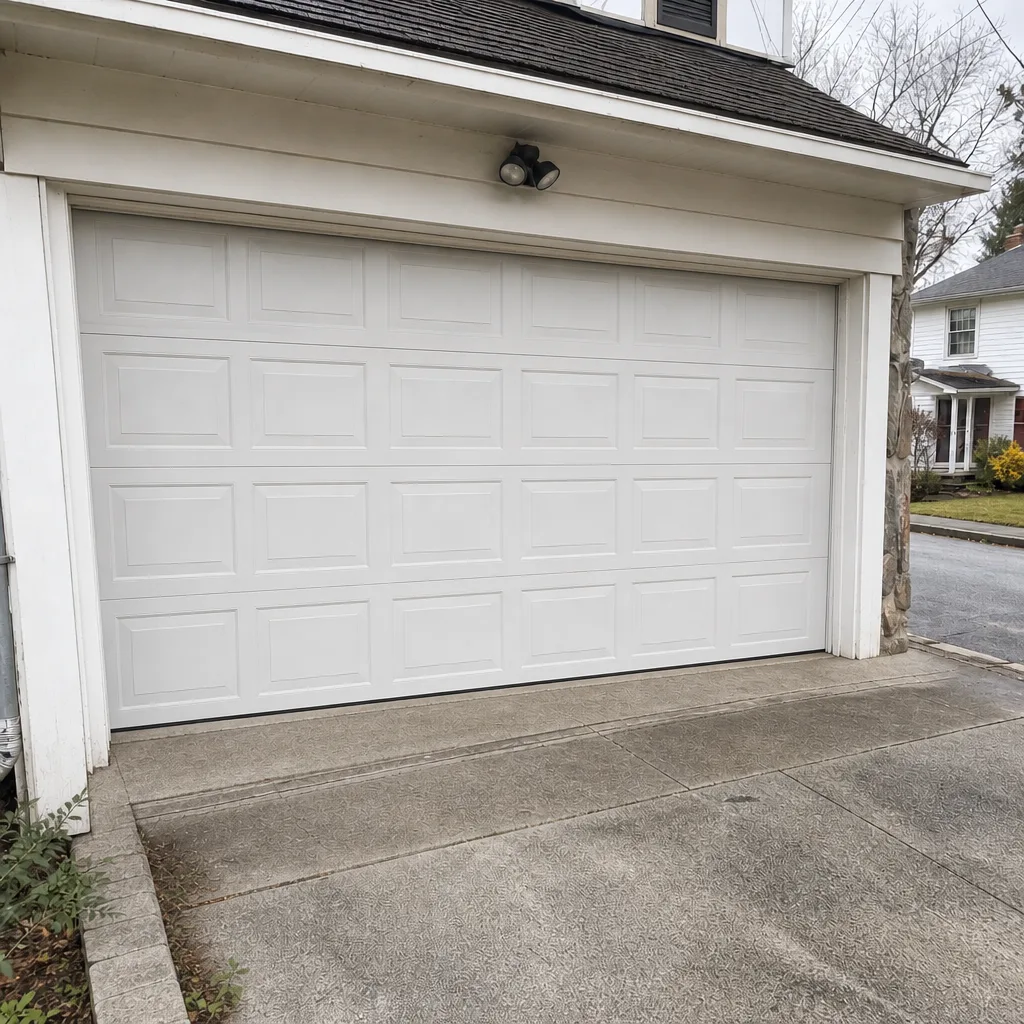
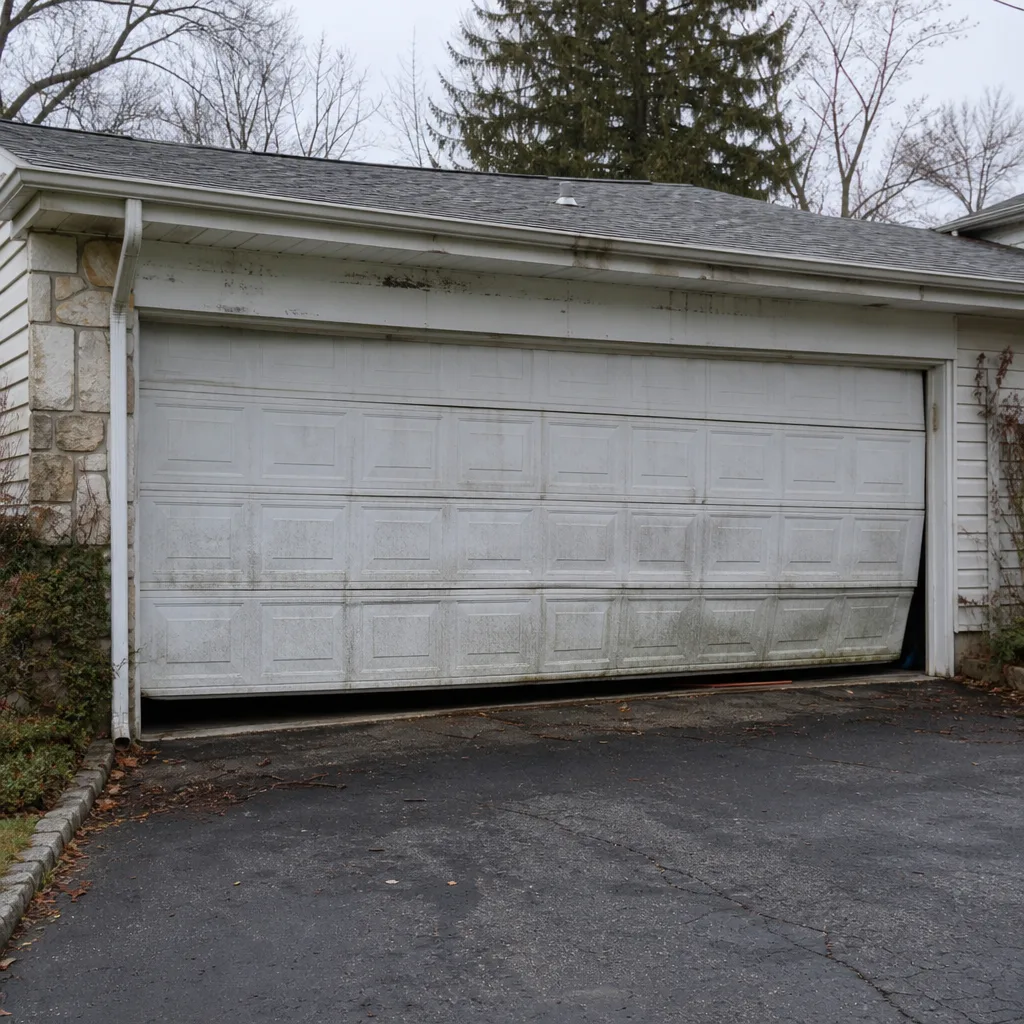
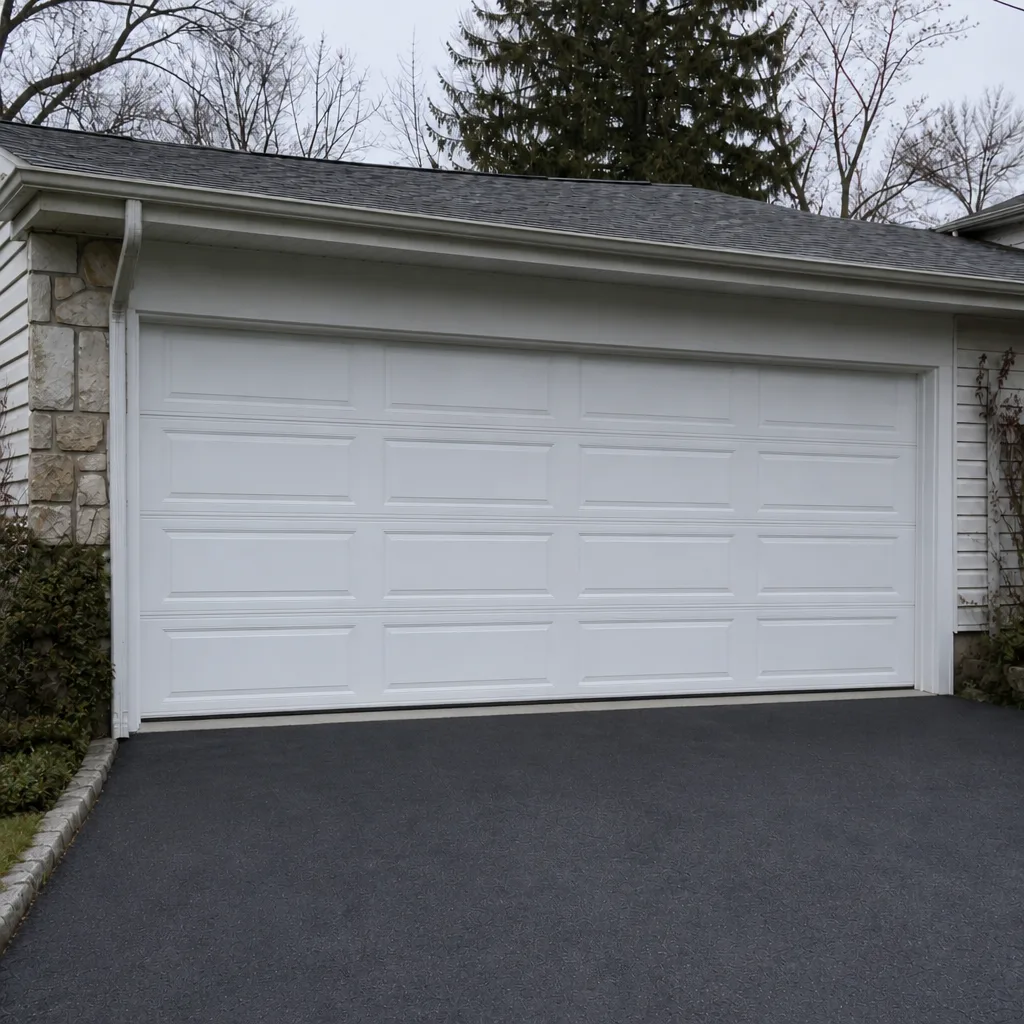
See the difference
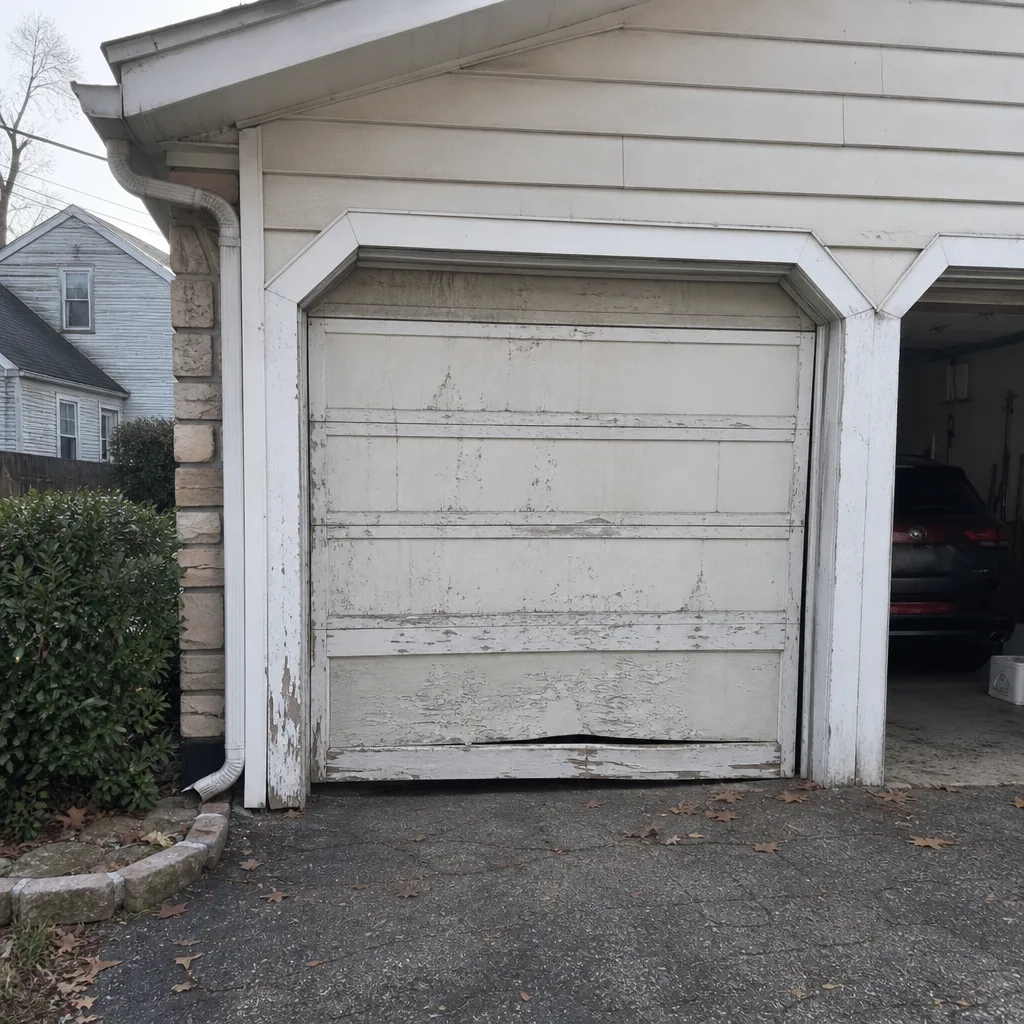 Before
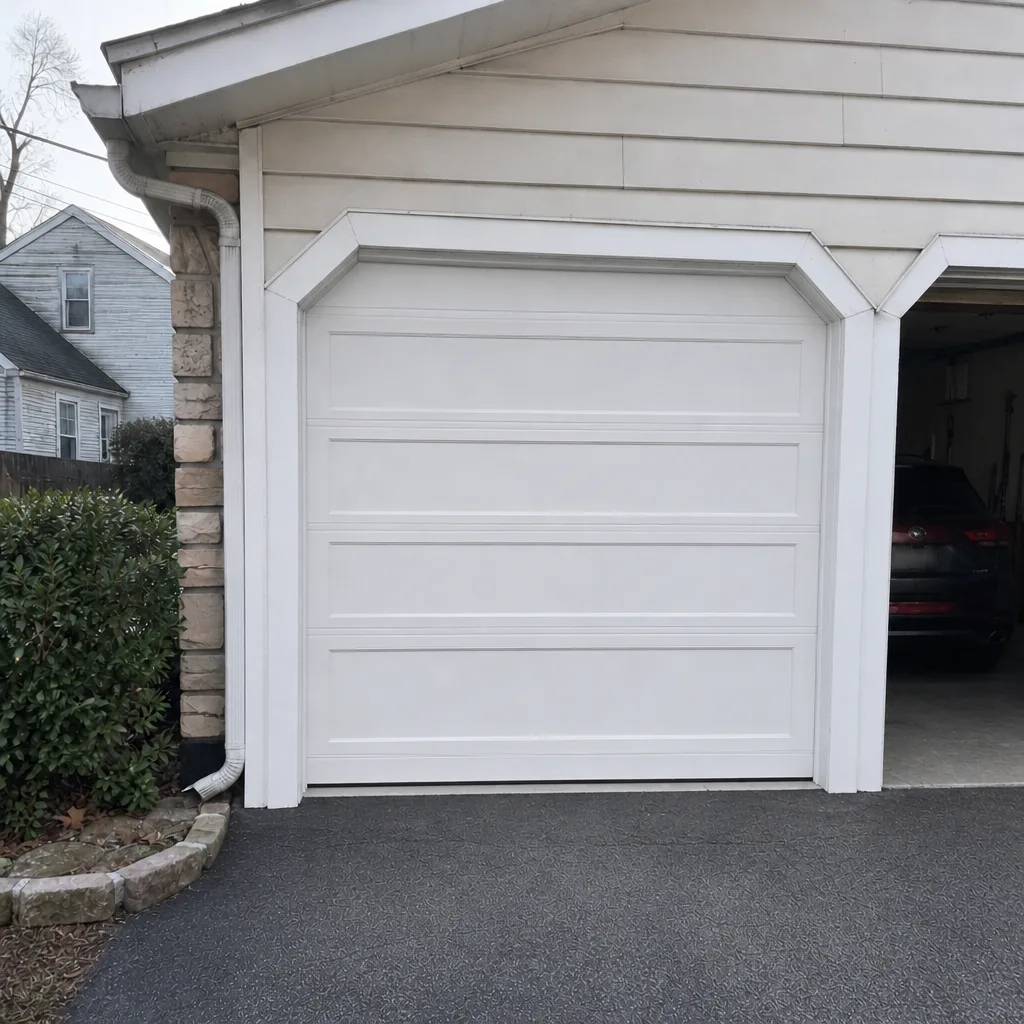 After
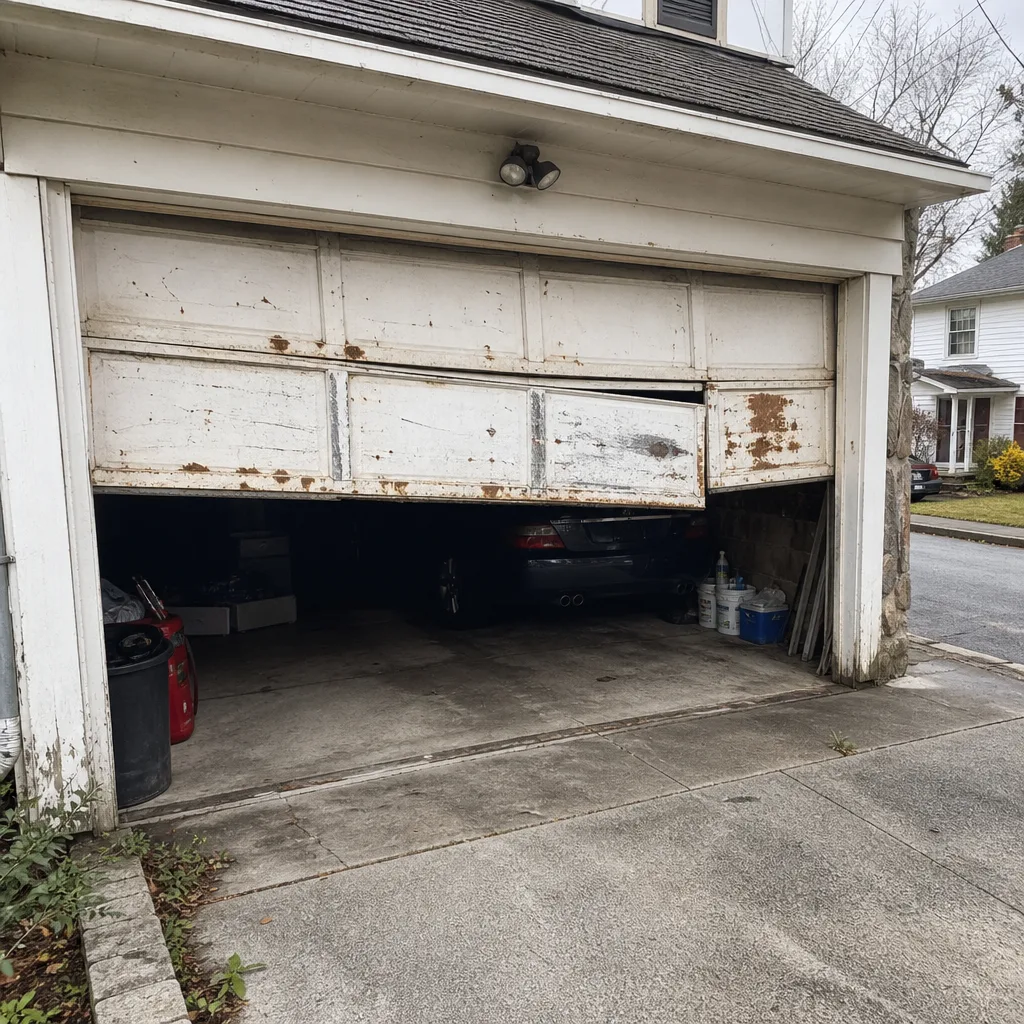 Before
 After
 Before
 After
Frequently Asked Questions
Twice a year is the right cadence, with the fall service being the most important one. That’s when freeze-thaw damage is about to set in, and replacing a worn seal or a stiff spring in fall is far cheaper than a repair forced by a winter failure. A homeowner who runs the balance and safety-reverse tests monthly between those visits covers the rest.
Use white lithium grease on the hinges and rollers, and silicone spray on the weather seals. Nothing goes on the tracks. WD-40 is a solvent, not a lubricant, and should not be used on any garage door component. Two products and a rag cover the entire lubrication routine.
No. A wound torsion spring stores enough energy to cause serious injury, and the wrong adjustment can also crack a panel or damage the opener. Spring replacement is one of the most dangerous DIY jobs on a home. Trained technicians handle it with the right tools and knowledge. Our spring specialists do nothing but this work, and our technicians have up to 10 years of experience.
Freeze-thaw cycles are the reason. Water gets into a small crack in the rubber, freezes overnight, expands, and widens the crack. The cycle repeats through winter until the seal is stiff and torn. Replacing the seal before winter, and keeping water drained away from the bottom of the door, makes a single replacement last much longer.
Yes. We work on Genie, LiftMaster, Chamberlain, Craftsman, Raynor, and the other major brands daily. That means a technician arriving at your home already knows what to look for on your specific opener, and there’s no brand-matching guessing game. If your opener brand isn’t one we’ve named, call and ask; the chances are we’ve worked on it.
No. The price is quoted and agreed before any work starts. The estimate you accept is the price you pay. If a technician finds an issue during the repair that changes the scope, they’ll explain it and get your approval before continuing, not surprise you on the invoice.
The Bottom Line
The biggest wins on a garage door aren’t expensive. White lithium grease on the hinges and rollers. Silicone spray on the seals. Dry tracks. A balance and safety-reverse test twice a month. Visual inspection for worn cables, springs, and seals. Those items prevent most of the failures we get called out for in Port Chester. The line you shouldn’t cross is the spring, the cable, and the track. Those items look simple and aren’t, and no maintenance routine should put your safety on the line. Everything on this list is designed to make the door last longer and keep your call to a technician an annual convenience, not an emergency. If you’re not sure whether an item is safe to do yourself, treat it as a technician job, because that’s the cheaper call anyway.
Contact Port Chester Garage Door Repair Pros
If your garage door is making a new noise, running heavy, or you’d rather have a trained eye confirm everything is in order before winter, we’re your single-trade specialists. Genie, Clopay, Amarr, Wayne Dalton, LiftMaster, Chamberlain, Craftsman, Raynor and more: we work on all of the major brands, every day. Call (877) 492-4069 for a free estimate. We’ll confirm the issue, quote the price, and get your door running properly.
Written by the team at Port Chester Garage Door Repair Pros.