Last updated November 23, 2026
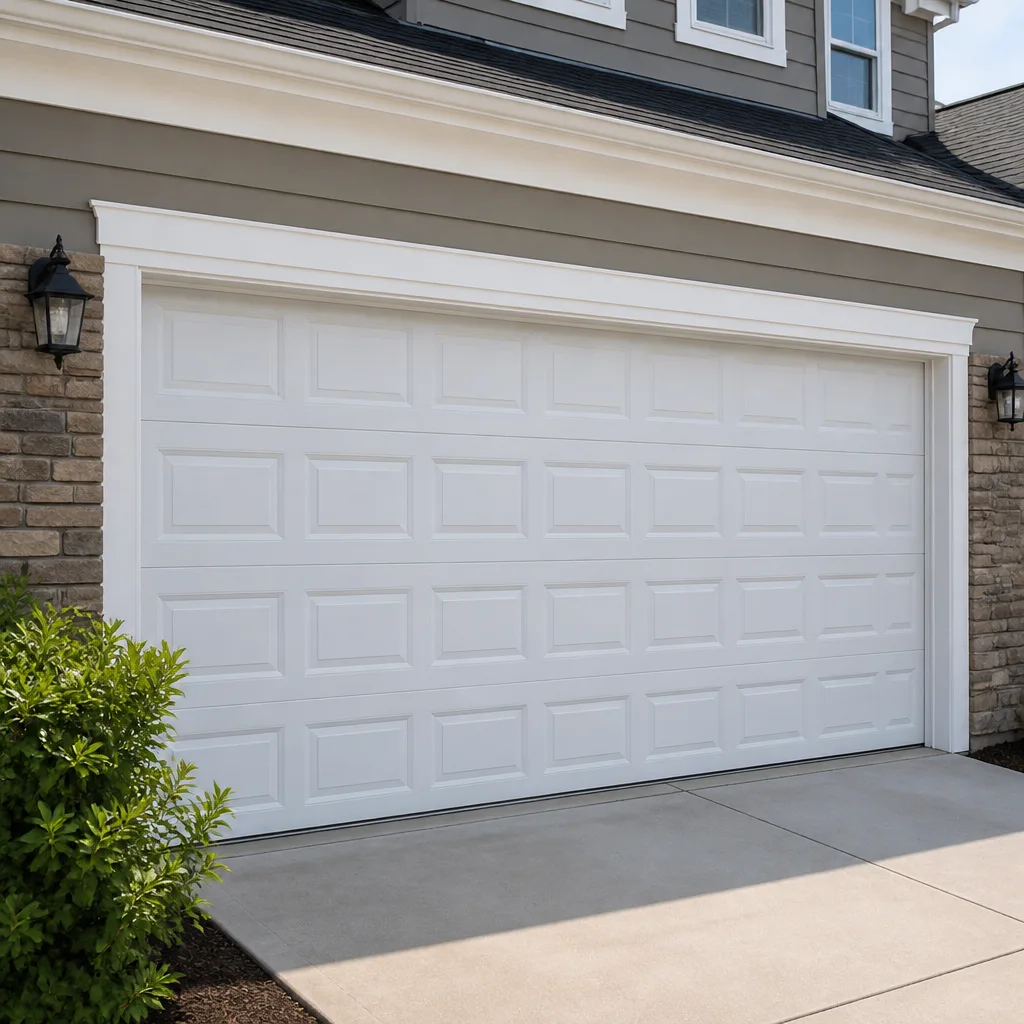 Raised-panel steel
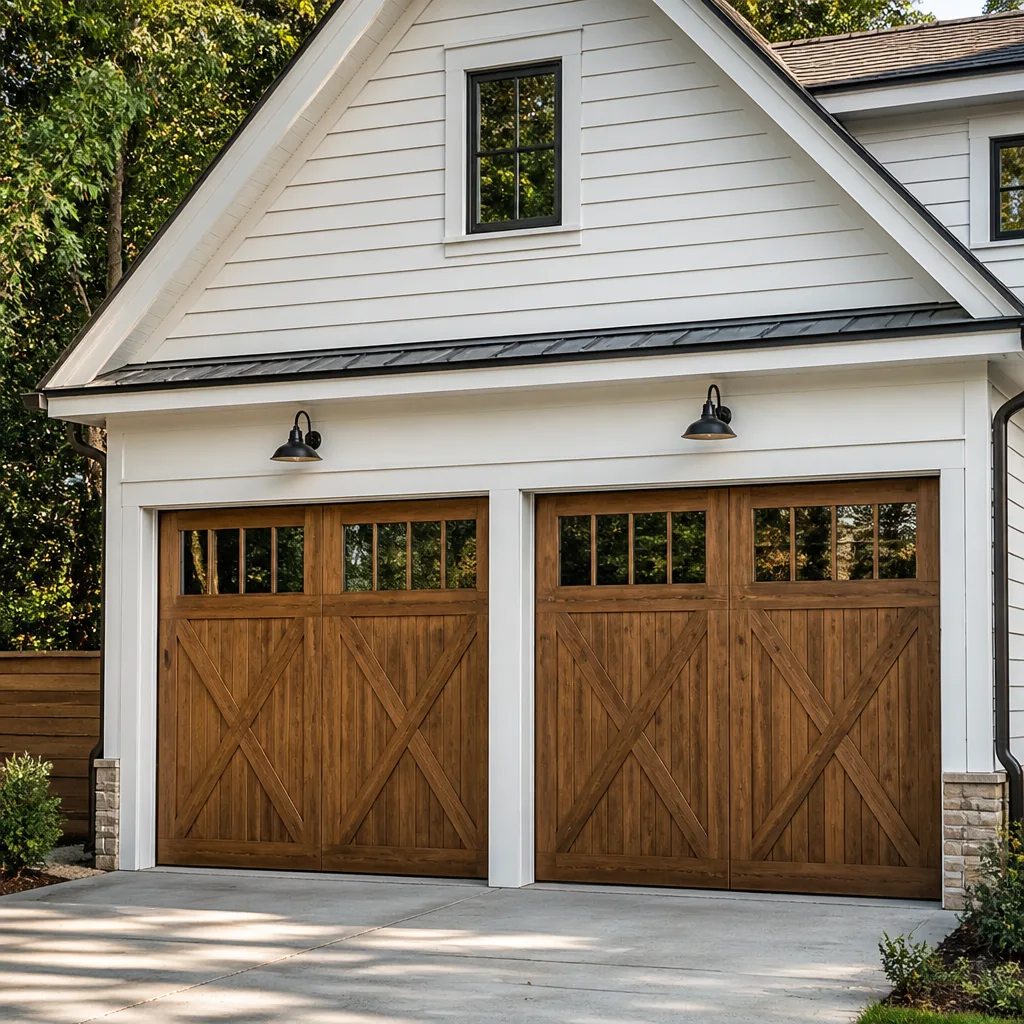 Carriage house
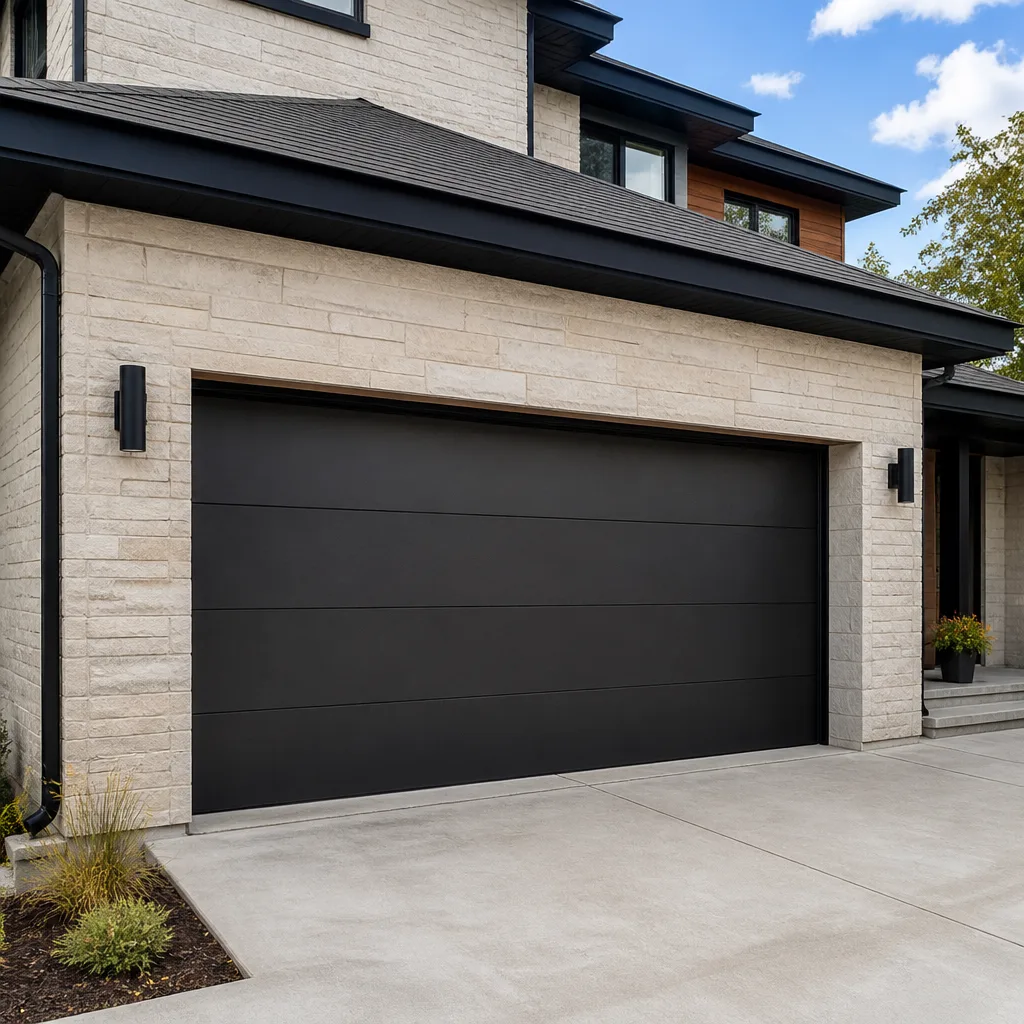 Modern flush
 Full-view glass
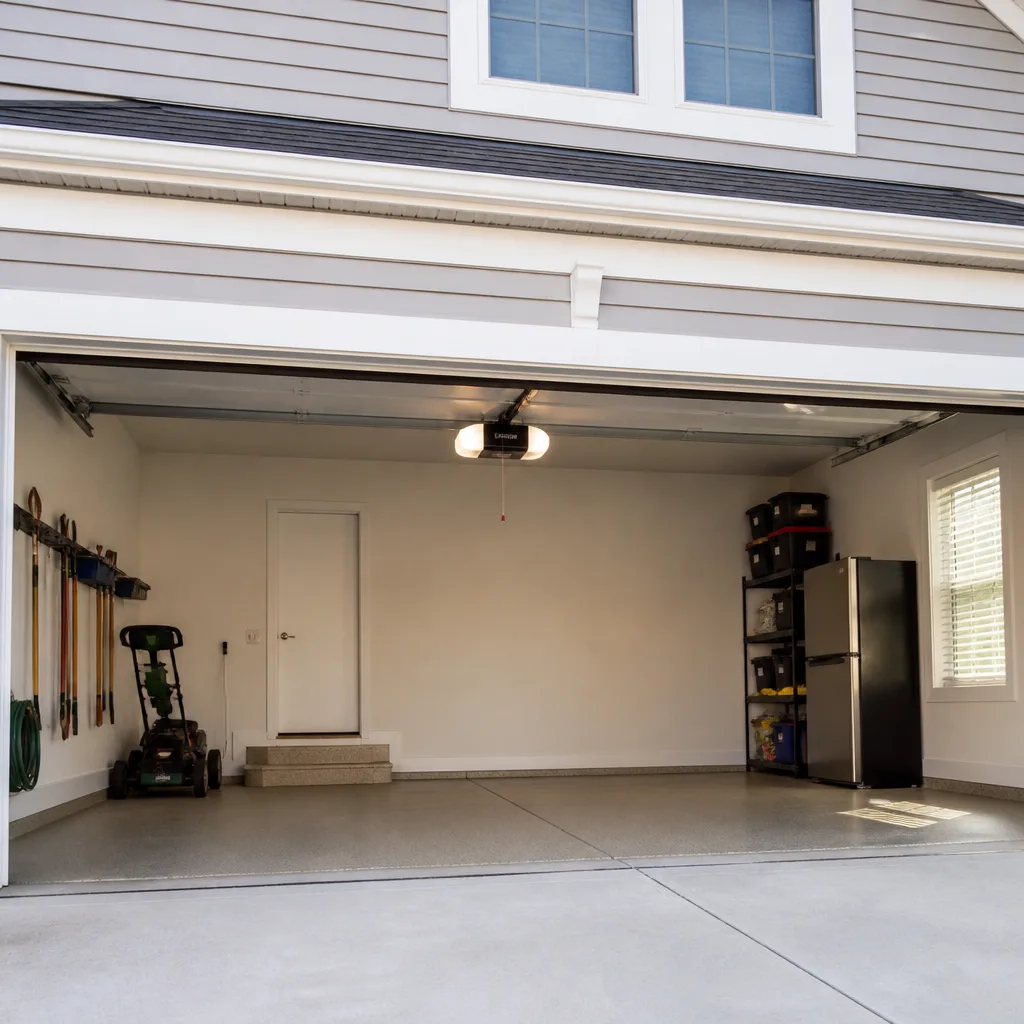 LiftMaster openers
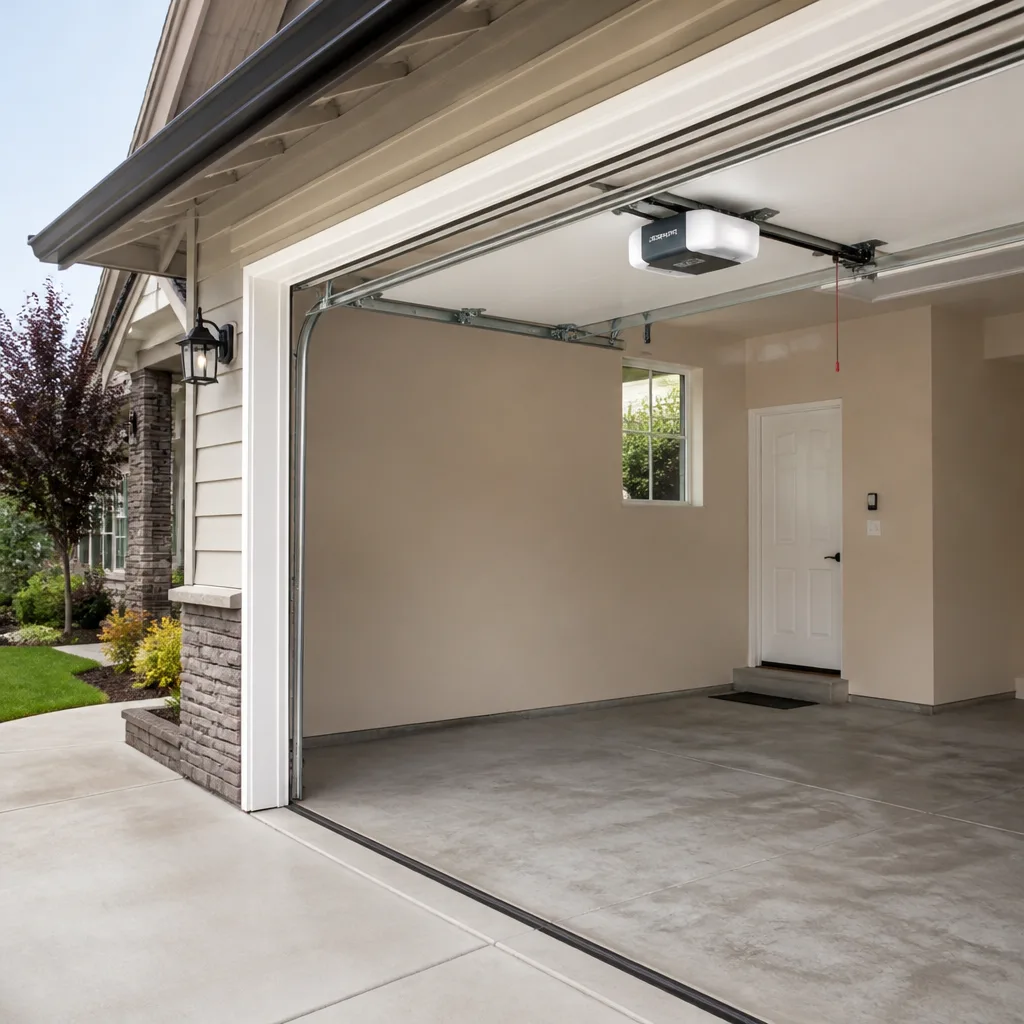 Chamberlain openers
Full 25-point door and opener safety check with every visit - springs, cables, rollers, tracks, and your LiftMaster or Chamberlain opener included
You get a price before we start. It does not change when the pro arrives.
Get your free estimateGarage Door Warning Signs: A Port Chester Homeowner’s Reference Guide
Most warning-sign articles work forward from the obvious: the door won’t open, the door won’t close. That’s too late. By the time a garage door in Port Chester stops working, the failure has usually been announcing itself for weeks or months in ways you can hear, see, and feel from the driveway. A door that takes four seconds longer to open than it did last year isn’t just slow. That’s often the first measurable sign of a torsion spring losing tension, and depending on how hard the door has been worked, you may have 60 to 90 days before it lets go, often at an inconvenient hour. This guide works backward from failure mode: what a tired spring, a worn opener gear, or a bent track actually sound and feel like long before they quit.
Quick Answer
The core warning signs of a failing garage door are a door that opens more slowly or unevenly than it used to, grinding or popping sounds during travel, visible gaps in the spring coils, frayed cables, a track that has pulled away from the jamb, and a door that needs force to lift by hand. Any of those signals on a torsion spring or cable means stop using the door today and call a technician, because those parts store enormous force and can cause serious injury. Slower symptoms like seal gaps or a noisy opener can usually wait for a scheduled visit, and a free estimate from Port Chester Garage Door Repair Pros tells you which category your door is in.
Styles & brands we work with
- Raised-panel steel
- Carriage house
- Modern flush
- Full-view glass
- LiftMaster openers
- Chamberlain openers
Table of Contents
- Sound Diagnostics: What Your Door Is Telling You
- Visual Checks You Can Do from the Ground
- Performance Signs: Speed, Balance, and Force
- The Spring Failure Timeline, Explained
- Triage: What Needs Same-Day Service and What Can Wait
- Port Chester-Specific Warning Signs
- Brand and Opener Differences Worth Knowing
- Prevention: The Checks That Actually Matter
- Common Mistakes to Avoid
- When to Call a Professional
Sound Diagnostics: What Your Door Is Telling You
A garage door is a collection of moving parts under tension, and each part fails with a distinct sound. Learning to separate those sounds is the fastest diagnostic tool a homeowner has, and it costs nothing. Next time the door cycles, stand in the garage and listen rather than walking away.
- Grinding, low and constant during travel: usually a worn roller, a dry hinge, or a bent track the roller is scraping against. Grinding that starts at one point in the cycle points to a track problem at that spot.
- Popping or snapping under load: a torsion spring that is binding or a cable that has jumped a drum. Popping from the spring itself is a stop-using-the-door signal.
- Squealing, rising in pitch: metal-on-metal friction from dry hinges and rollers, or a torsion tube that needs lubrication. This one is annoying but rarely urgent.
- Rattling from the ceiling: loose opener mounting bolts or a sagging spring anchor bracket pulling away from the header.
- Weak, straining opener motor with a groaning tone: the opener is working harder than it should, often because the door’s balance has drifted. A garage door opener repair visit can confirm whether the motor or the door is the real source.
None of these sounds get better on their own. A grinding roller wears the track a little more each cycle, and a popping spring is closer to breaking than it was yesterday. If you aren’t sure which category your sound falls into, describe it over the phone and we can usually narrow it down before anyone arrives in Port Chester.
Visual Checks You Can Do from the Ground
You don’t need to touch hardware to see most early warning signs. These are ground-level checks: eyeline work only, no prodding, no lifting, no reaching. If something looks wrong, stop there and leave it to a trained technician, because springs and cables carry stored force that can release without warning.
- Look at the spring coils. A properly tensioned torsion spring has evenly spaced coils. A visible gap in the coil stack means the spring has stretched and lost tension, and it will fail sooner than it should.
- Inspect the cables where they run beside the door. Fraying, kinked spots, or exposed inner wire through the jacket are signs the cable is near the end of its life. A snapped cable can let the door drop.
- Check the track gap. Run your eyes down each vertical track. A gap between the track and the jamb, or a track that curves away from the door at the top, means it has been pushed or bent and needs to be realigned.
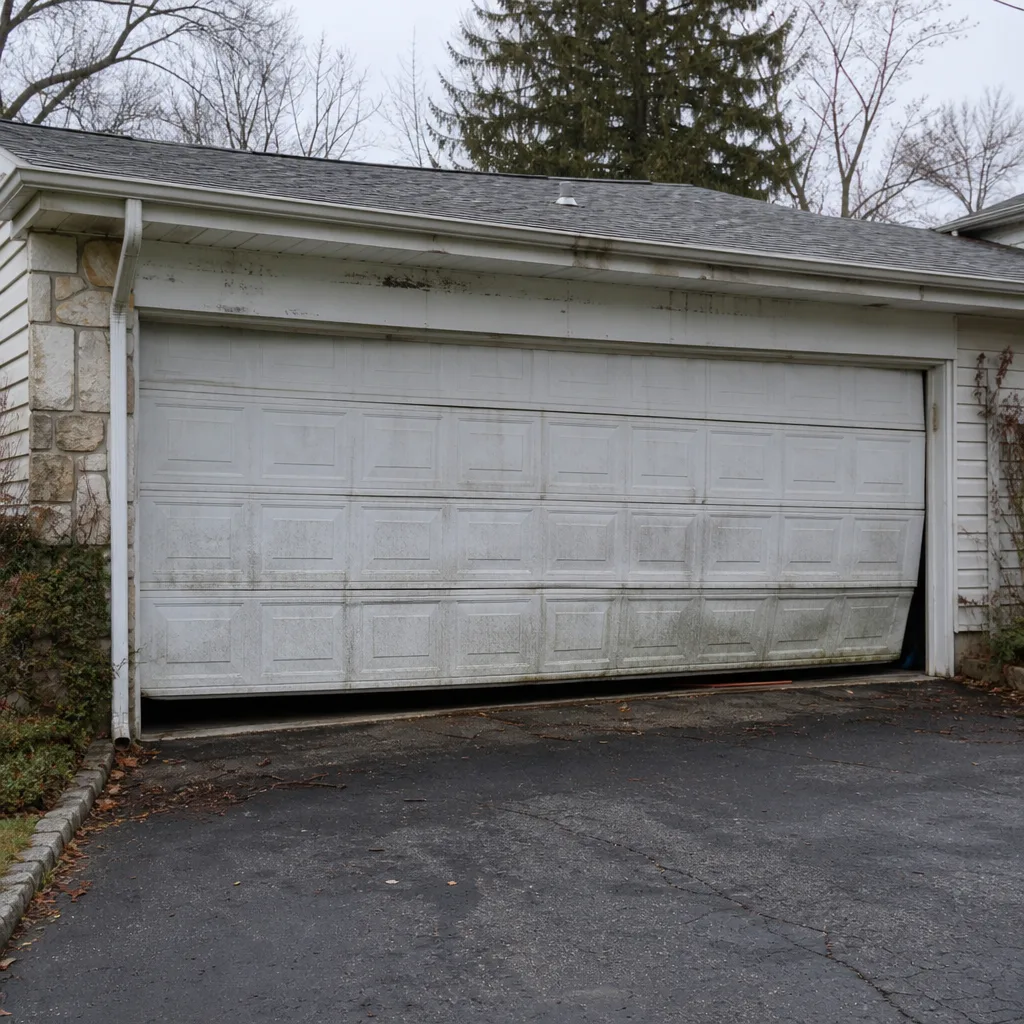
- Look at the door’s horizontal line. Stand back and check whether the bottom panel sits parallel to the floor. A door that hangs unevenly is usually a sign of a tired spring, a worn cable, or a bent roller.
- Examine the panels and hinges for rust streaks. Streaking under hinges and along panel seams tells you moisture is sitting where it shouldn’t.
These five checks take about a minute and catch the majority of developing problems. If a spring gap or a frayed cable shows up, treat the door as out of service and call us for garage door spring repair rather than running it.
Performance Signs: Speed, Balance, and Force
Speed is the underrated diagnostic. A homeowner who is used to their door can notice a change of a second or two, and that change is meaningful. If your door in Port Chester opens noticeably slower than it did six months ago, the most common cause is a spring that has lost tension and is no longer carrying its share of the door’s weight. The opener is quietly making up the difference until it can’t. You have roughly 60 to 90 days from the first slowdown before a failing spring typically snaps.
Uneven travel is the second measurable sign. If one side of the door arrives before the other, or the door racks slightly as it goes up, balance has drifted. Opener force settings are the third. Modern openers from LiftMaster and Chamberlain use a force-limit adjustment that reverses the door if it meets too much resistance. A homeowner noticing the door bounce or reverse on its own is seeing the opener’s programming step in because the door has gotten harder to move.
- Slowing down: spring tension loss or a straining motor.
- Uneven travel or racking: spring or cable imbalance, or a bent track.
- Reverse on close for no reason: force setting exceeded because the door is binding.
- Door won’t stay up when disconnected from the opener: severe spring failure, and a reason to stop using it.
A properly balanced door can be lifted by hand with light effort and stays put halfway up. A door that won’t hold position when disconnected, or that’s heavy enough to need real force, has a spring problem. Don’t test that yourself if the door seems stuck or unsafe; let a technician do it. For everyday garage door repair, a quick visit can restore balance and stop the opener from overworking.
The Spring Failure Timeline, Explained
Torsion springs don’t fail on a schedule, but they do fail in a pattern, and understanding the arc helps you decide how quickly to act. A spring in good condition holds the door’s full weight with the coils tight. As the metal fatigues, tension drops and the door gradually gets heavier for the opener to move. That’s the slowdown most homeowners notice first. Over the following weeks and months, the loss of tension accelerates. The spring either breaks outright, usually with a sharp crack, or a cable snaps and drops the door. In our experience, most torsion spring failures happen on cold mornings, when the metal is least forgiving.
The timeline below describes a typical progression, not a guarantee. What matters is that you don’t need to be on it for long after the first sign.
- Weeks 1 to 4: the door slows, the opener sounds louder, force settings get touchier.
- Weeks 4 to 8: a visible gap in the spring coils appears and the door feels heavier when lifted.
- Weeks 8 to 12: the door may reverse on close, or one side of the door lags.
- After week 12: the spring is at high risk of break, with the door possibly dropping if a cable goes.
The spring is the component you never want to touch. High-tension torsion springs store enough energy to cause a serious injury, and a torn cable is just as dangerous. The safest move is to stop using the door and have a trained technician replace the spring. Our technicians handle spring replacement as its own specialty, not as part of a general repair call, and we have up to 10 years of experience on the toughest of those jobs.
Triage: What Needs Same-Day Service and What Can Wait
Not every warning sign demands a same-day visit. Sorting your situation into “call today” and “schedule this week” saves you money and stress. Use this framework as a starting point, then get a technician’s read.
Same-day service:
- A broken torsion spring or a snapped cable, with the door stuck shut or stuck open.
- A door that dropped off its track or is leaning into the frame.
- The car is trapped inside or the garage is open to the street, which matters for security in a Port Chester home.
- A popping or cracking sound that just started during a cycle.
- The opener is running but the door isn’t moving at all.
Schedule within a week:
- A door that is slower than it used to be but still cycles.
- Grinding or squealing without other symptoms.
- A seal that has separated from the frame and lets in drafts.
- An opener remote or keypad that works only some of the time.
- Cosmetic rust streaks and door panels with chipped paint.
If you’re told the door will take two or three days, that’s a sign to call a port chester garage door specialist rather than wait for a general contractor’s schedule. When the door is stuck today, our emergency garage door service is the number to call at (877) 492-4069. We work through the problem, then quote the fix before anything gets touched.
Port Chester-Specific Warning Signs
A garage door here deals with the same four seasons and the same housing stock as the rest of the Sound Shore, and a handful of local conditions leave their own warning signs. Keep an eye on these in a Port Chester home, especially if the garage is attached and the door faces the weather.
- Freeze-thaw and the bottom seal: Port Chester’s winters cycle above and below freezing, which is hard on anything rubber. A seal that pulls away from the bottom of the door or freezes to the threshold is telling you the door is out of alignment, not just that the weather is cold.
- Wood swelling in summer humidity: many older garages in town have wood jamb frames. A humid summer can swell those frames enough to pinch a track, and the door starts to bind near the bottom or the top.
- Rust patterns: streak rust along hinges, panel seams, and the bottom of the door suggests moisture is sitting there and needs to be corrected. Rust on the bottom panel is the first to show.
- Spring fatigue in a cold snap: a spring that has been losing tension all fall is most likely to let go on a morning near freezing. If your door is slower in late fall, that’s a reason to get it checked before winter starts.
- Sagging header and mounting brackets: older construction around Port Chester can mean a header that has settled slightly, pulling the opener bracket away from the ceiling. A rattle from overhead is often this.
If you’re seeing any of these and aren’t sure which matter, describe it to us. A Port Chester garage door inspection at no charge can tell you what needs to be done and how soon.
Brand and Opener Differences Worth Knowing
Garage door systems are not interchangeable, and the warning signs that matter can differ by brand. A technician who works on the same brands every day reads those signs faster than someone who splits their time between doors, decks, and drywall. We service all eight major brands, including LiftMaster, Chamberlain, Genie, Clopay, Amarr, Wayne Dalton, Craftsman, and Raynor, so your existing system is the one we know.
- LiftMaster and Chamberlain openers: both use force-limit and travel-limit adjustments that are set by the installer. When these openers start reversing on their own, it’s usually a sign the door has gotten harder to move, not that the opener has failed. Both are also the brands most likely to have a battery-backup model, which changes how a power outage presents itself.
- Genie openers: Genie’s older chain drives are prone to a slipping or worn trolley, which shows up as the motor running while the door barely creeps. That’s a gear problem, not a door problem.
- Clopay and Amarr doors: both are common on newer doors in the area, and their panel seams are where you’ll spot rust first. Clopay and Amarr doors also come in enough styles that a wayward bottom seal becomes obvious fast.
- Raynor and Wayne Dalton: both brands show up in Port Chester on older installs. A Raynor or Wayne Dalton door that’s over 10 years old and using the original springs is a prime candidate for a spring check.
- Craftsman openers: common in homes where a previous owner installed their own opener. A force setting that has been nudged up to compensate for a tired spring is often the tell.
None of that changes the core rule: if the spring or cable is showing a sign, it’s a stop-using-the-door situation regardless of brand. Our technicians have up to 10 years of experience, and we work these systems daily, so we’ll recognize yours as soon as we see it.
Prevention: The Checks That Actually Matter
Occasional checks catch most failures early. They’re safe and ground-level, and they take less than a minute. Do them every few months, and check again after a cold snap or a storm.
- Listen to the door on one full cycle. Any new sound from the last time you listened?
- Look for a gap in the spring coils and fraying on the cables. Eyeline only.
- Look at the door’s bottom edge against the floor. A gap on one side means the door needs a balance check.
- Check the seal. A separated seal lets in water, and water is what drives every other garage door problem in Port Chester.
- Look at the tracks. Any gap between the track and the wall, or a bent section, is worth a call.
- Time one full opening. Write it down. Compare it in six months.
What you shouldn’t do yourself is lubricate or adjust the torsion spring or the cable drums. Those parts are under tension and only a trained technician should handle them. We can walk through the checks with you and take care of the repairs that need doing. If you want the full-service side of things, our garage door repair and install teams cover everything from a single roller to a complete new door.
Common Mistakes to Avoid
- Treating a slow door as a slow door. A slowdown of several seconds is often a spring losing tension. Left alone, it can turn into a snapped spring in freezing weather in Port Chester.
- Trying to lubricate or adjust a torsion spring yourself. That component is under enormous stored force. A small mistake can cause serious injury, and it’s exactly the work a trained technician should do.
- Ignoring a frayed cable because the door still runs. A fraying cable can snap without warning, and when it does the door may drop unevenly. Stop running the door and call.
- Turning up the opener’s force setting to compensate for a hard door. That hides the real problem and can reverse a symptom into a damage report.
- Assuming a grinding sound is just age. Grinding is a track or roller issue that worsens every time the door cycles. It’s the easiest warning sign to fix early and the most expensive to ignore.
- Waiting for a door to fail completely before calling. A same-day emergency on a stuck door is manageable, but a scheduled call before then is always easier to fit into your week.
- Assuming only coastal homes get rust. Rust here is about moisture sitting in seams and hinges, and our freeze-thaw winters and humid summers keep that happening on plenty of Port Chester doors.
When to Call a Professional
Call a professional the moment you hear a pop or crack from the spring or a cable, see a break in the spring coil, or notice the door hanging unevenly. Those are same-day situations, and they’re genuinely dangerous to investigate hands-on. Call if the door stops midway, reverses for no reason, or slows down by more than a couple of seconds. For slower signs, like a grinding track, a seal that has pulled away, or a door that needs a little push, a scheduled visit works fine.
Port Chester Garage Door Repair Pros offers free estimates in Port Chester – call (877) 492-4069. Prices are quoted and agreed before any work starts, and the written estimate sets the final price. Our technicians have up to 10 years of experience, and every one of them works on garage doors and nothing else, which means the diagnosis is faster and the fix usually lands the first time.
Frequently Asked Questions
A door that has slowed noticeably, a visible gap in the spring coils, and a heavier-than-usual feel when you lift the door by hand are the three signals that a torsion spring is near failure. You have roughly 60 to 90 days from the first sign, and sometimes less. Don’t test the spring yourself; call (877) 492-4069 and we’ll tell you what your Port Chester door needs.
No. Grinding usually means a roller, hinge, or track is wearing, and it only gets worse each time the door cycles. It can wait for a scheduled visit rather than an emergency call, but it shouldn’t wait more than a week or two. Call for a free estimate and we’ll pinpoint the source.
It usually means the spring has lost tension and the door is now heavier for the opener to move. That’s the earliest measurable sign of a spring problem, and it’s worth a check before the next cold snap in Port Chester. Call us for a free estimate at (877) 492-4069.
A broken spring, a snapped cable, a door off its tracks, or a door stuck open or shut are same-day calls. A slow or noisy door is scheduled. If the door is stuck today, our emergency garage door service is available – call (877) 492-4069.
Yes. From the ground you can spot frayed cable jackets, a gap in the spring coils, and a track that has pulled away from the wall. Don’t touch or test any of those parts yourself; call us instead and we’ll take it from there.
Most likely, yes. We work on LiftMaster, Chamberlain, Genie, Clopay, Amarr, Wayne Dalton, Craftsman, and Raynor every day, and our technicians have up to 10 years of experience with those systems. Call (877) 492-4069 with the brand and model and we’ll confirm before you book.
The Bottom Line
Warning signs on a garage door are a timeline, not a single moment. A slowdown today is a spring failure weeks from now, and a grinding noise is a track problem that keeps wearing the longer the door runs. Learn the sounds, do the ground-level visual checks, and use the same-day versus scheduled framework to decide how fast to act. The one hard rule is never to handle the spring or cable yourself; those need a trained technician. For a Port Chester door that’s giving you any of these signals, Port Chester Garage Door Repair Pros can check it, quote it, and fix it after you agree to the price. Call (877) 492-4069 for a free estimate.
Written by the team at Port Chester Garage Door Repair Pros.
See the difference
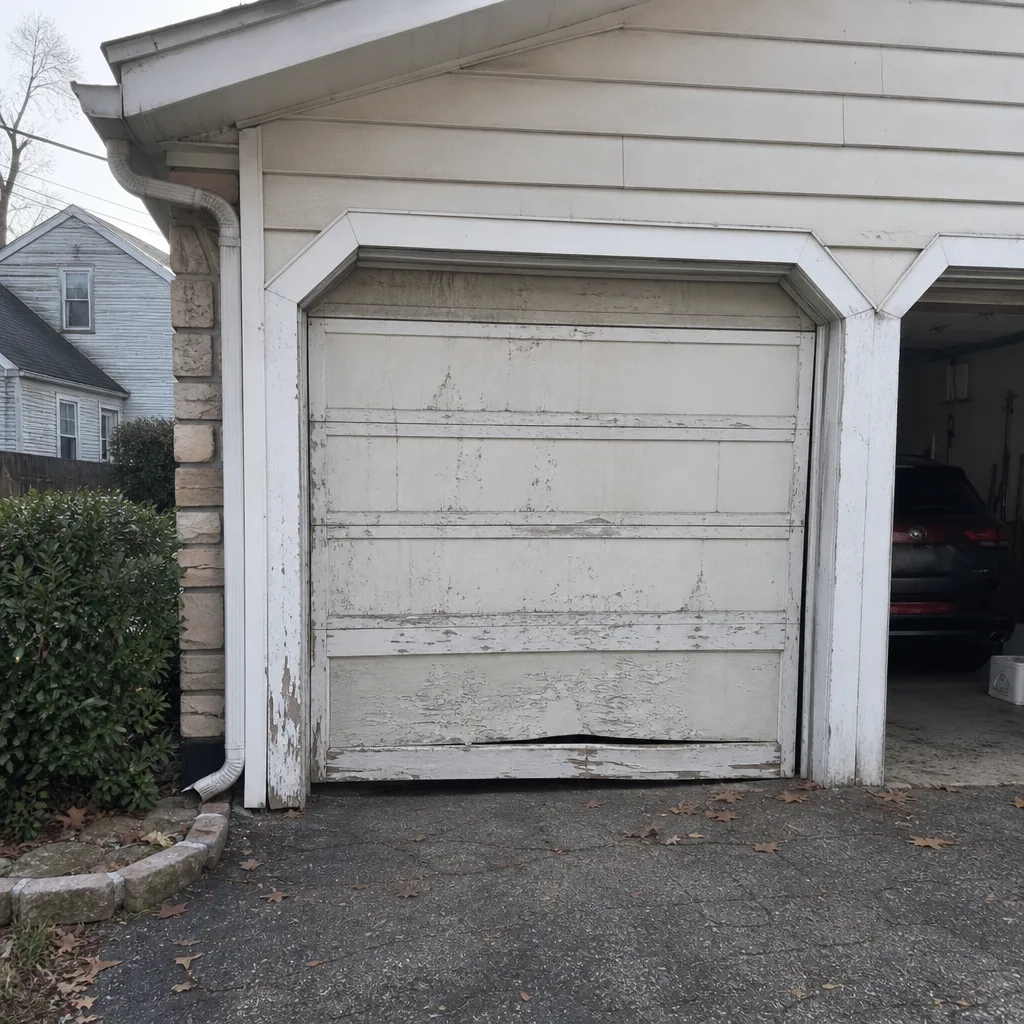 Before
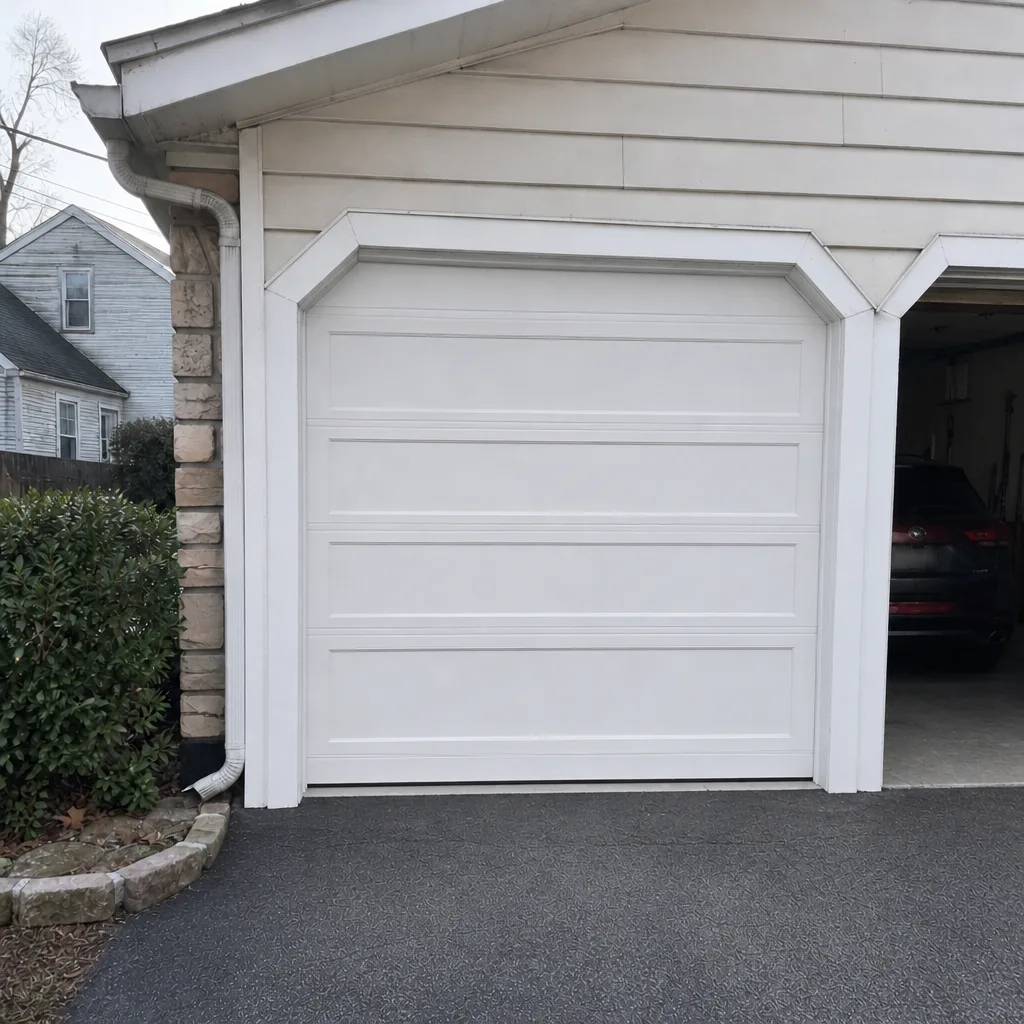 After
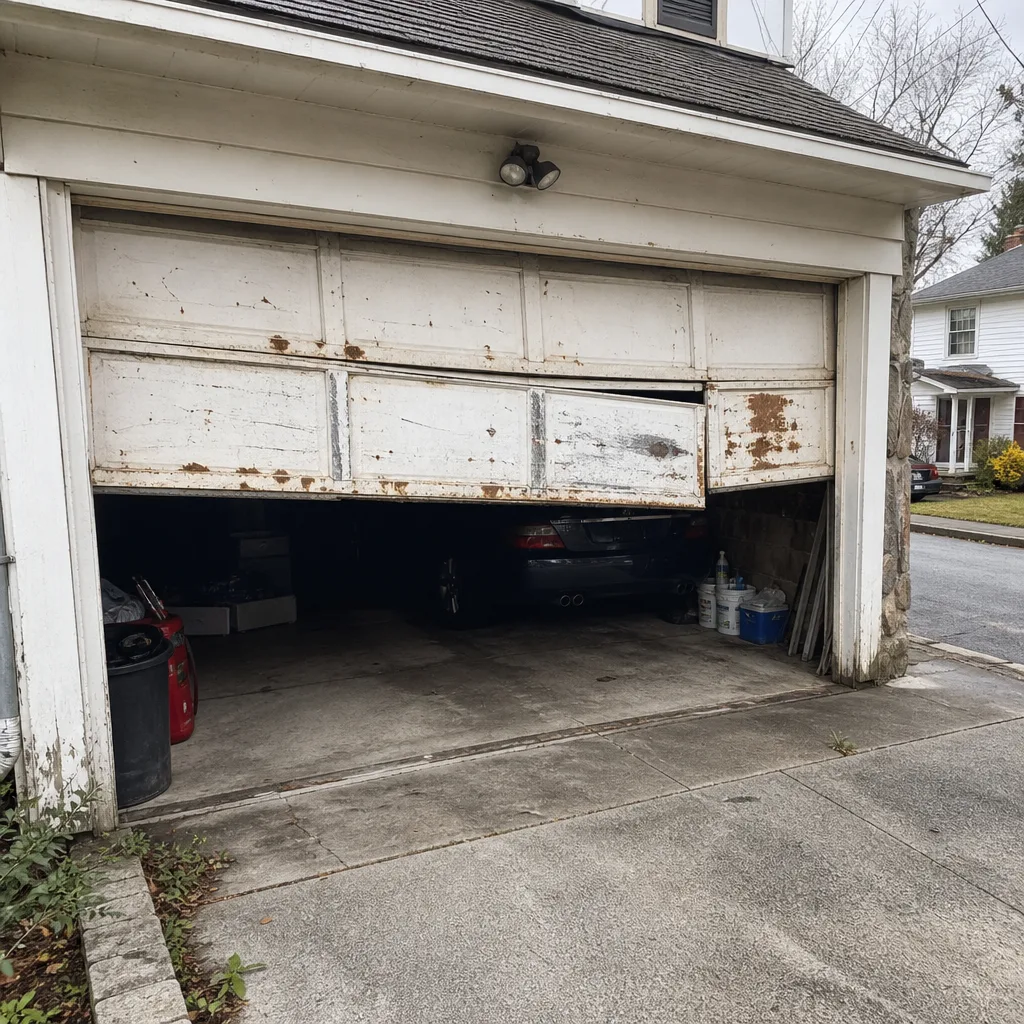 Before
 After
 Before
 After