Last updated November 23, 2026
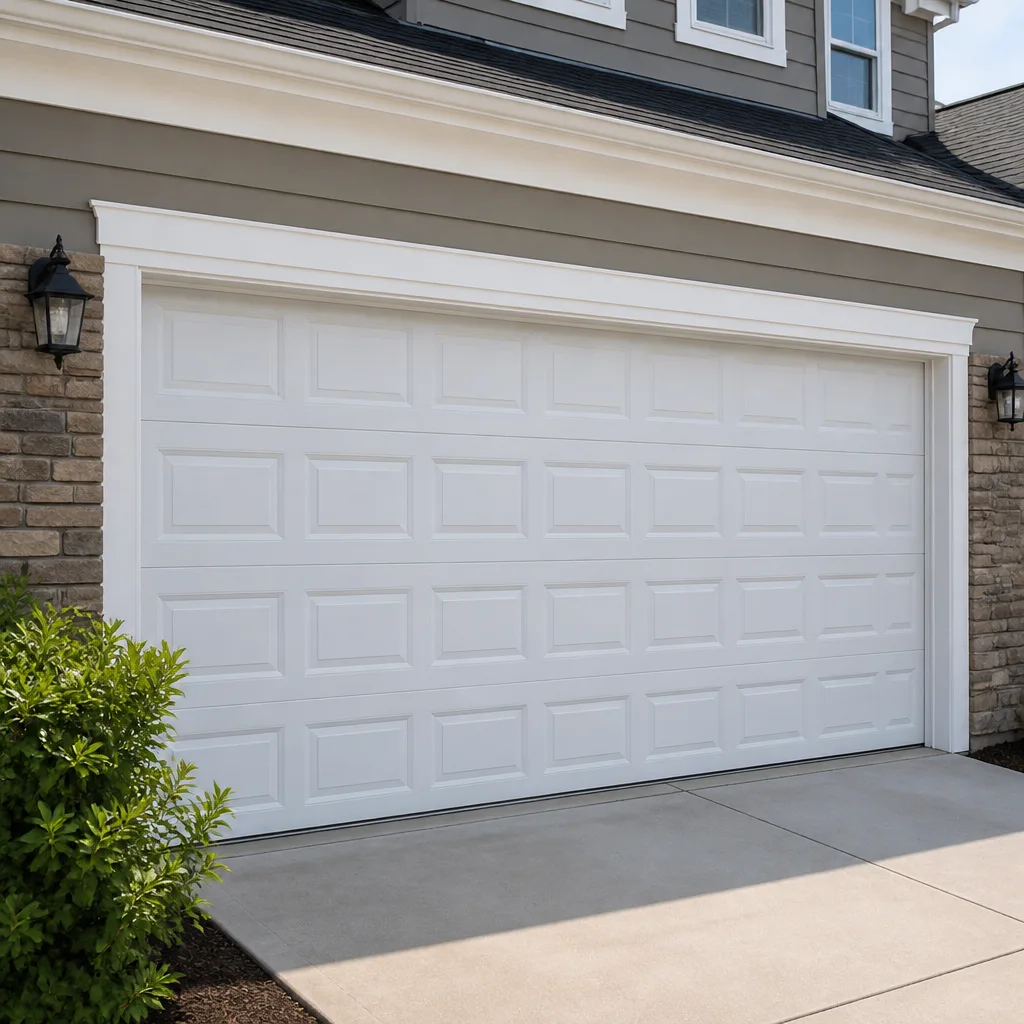 Raised-panel steel
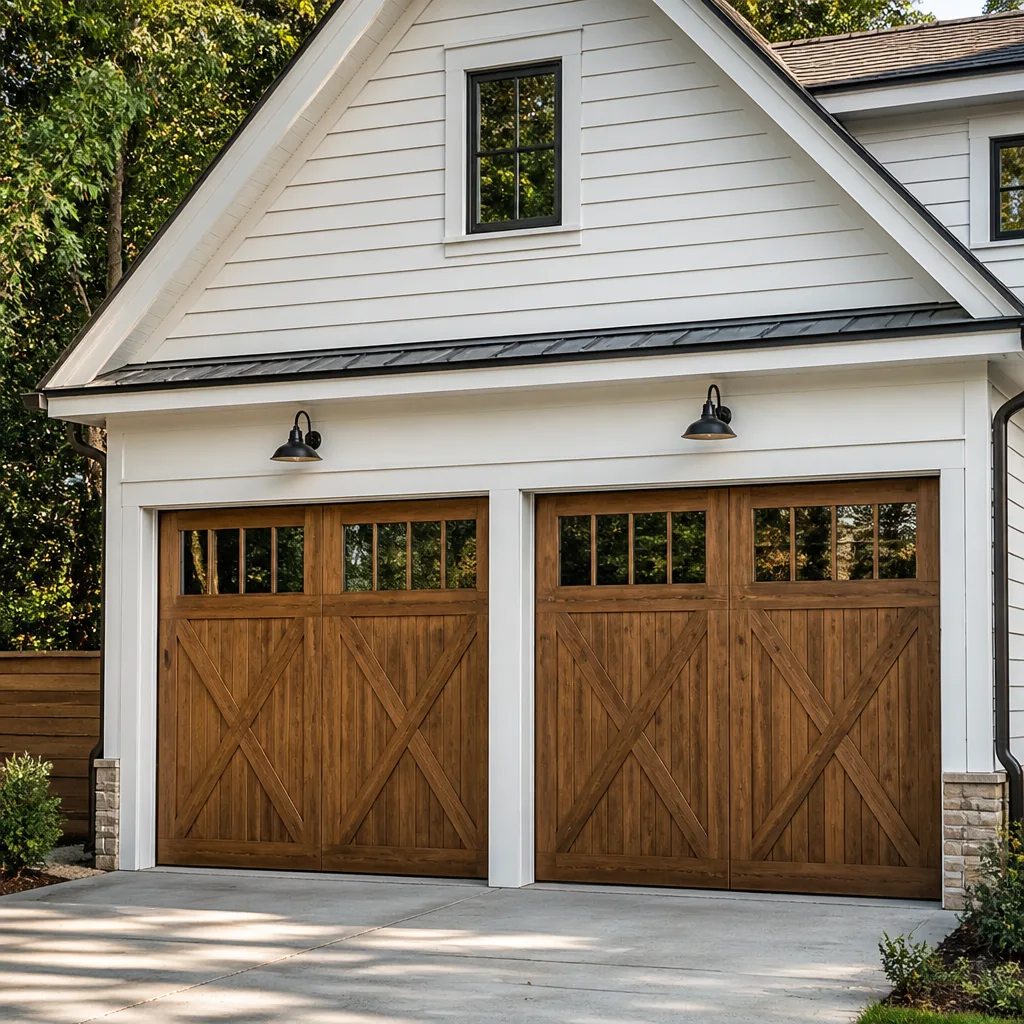 Carriage house
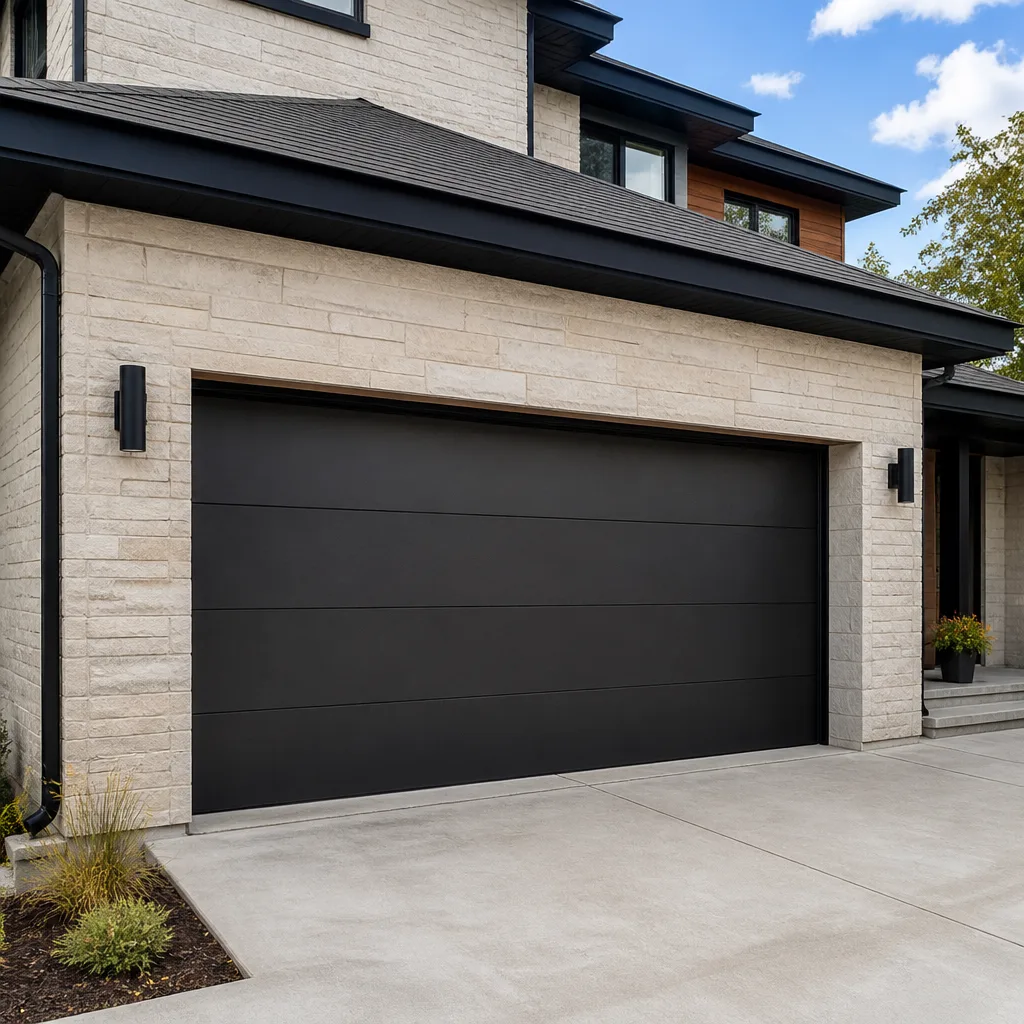 Modern flush
 Full-view glass
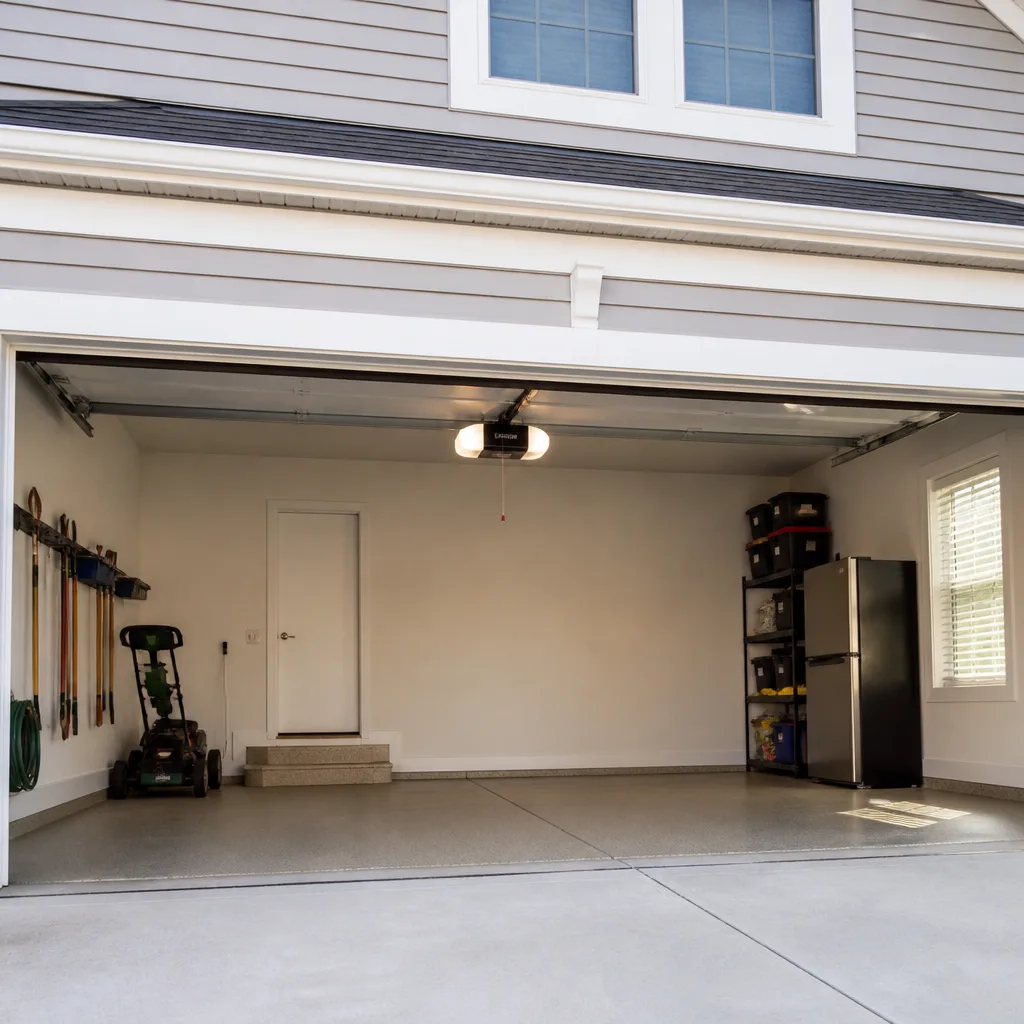 LiftMaster openers
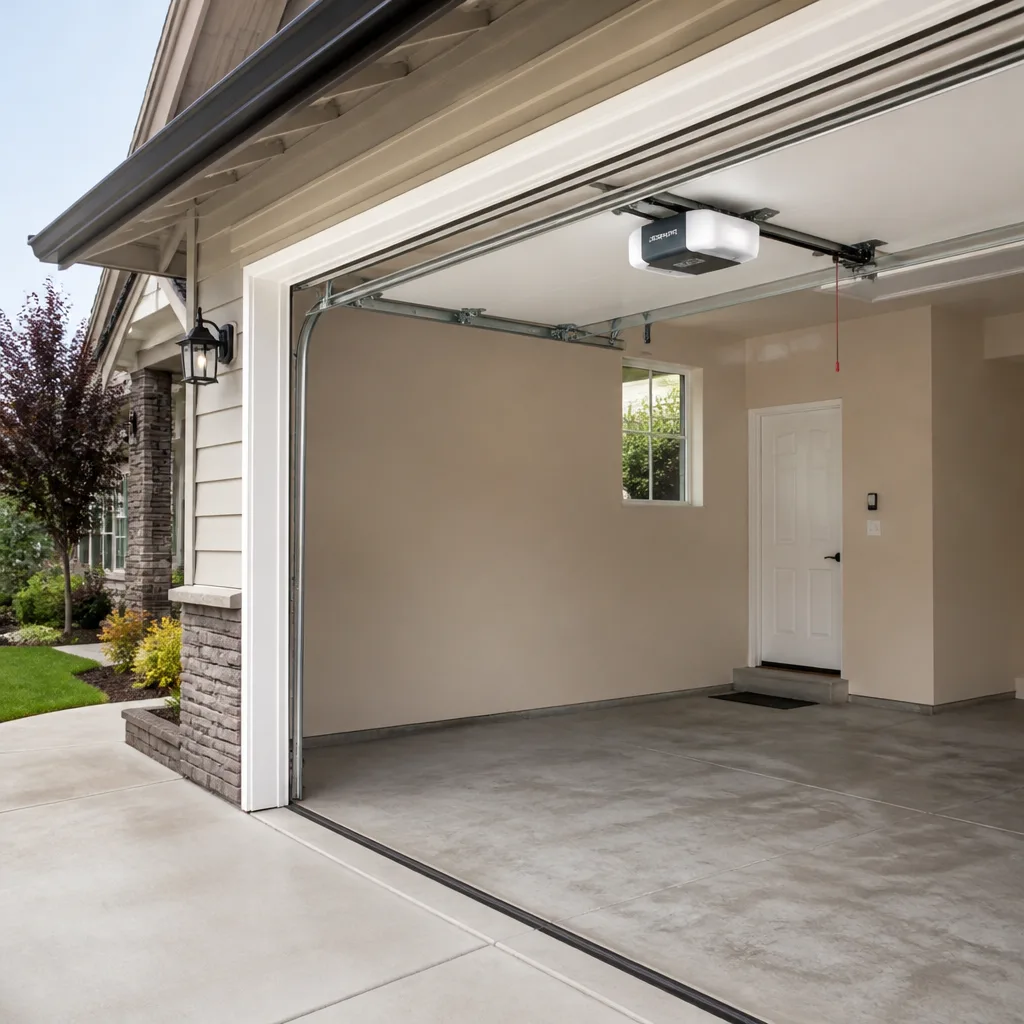 Chamberlain openers
Full 25-point door and opener safety check with every visit - springs, cables, rollers, tracks, and your LiftMaster or Chamberlain opener included
You get a price before we start. It does not change when the pro arrives.
Get your free estimateSeasonal Garage Door Care for Port Chester: Year-Round Homeowner’s Guide
Most homeowners think about their garage door twice: when it breaks and when it looks dirty. That’s the mistake. In Port Chester, the door takes a beating from four different directions across a single year – July humidity that swells wood composite and softens paint, the freeze-thaw cycle that cracks bottom seals and fatigues torsion spring metal, and spring pollen and grit that work into rollers and hinges. A little care in the right month prevents the January call nobody wants. This guide gives you a month-by-month plan specific to Port Chester’s weather, with realistic time estimates so you can actually do it.
Quick Answer
Seasonal garage door care in Port Chester means inspecting and lubricating the door twice a year, before and after the freeze-thaw season, with targeted checks for humidity warping in summer and seal cracking in winter. Most homeowners can cover the basics in about 90 minutes per season, while spring, cable, and opener work should always go to a trained technician. The single highest-value habit is a spring and seal check each fall, before temperatures drop below freezing.
Styles & brands we work with
- Raised-panel steel
- Carriage house
- Modern flush
- Full-view glass
- LiftMaster openers
- Chamberlain openers
Table of Contents
- Why Port Chester’s Climate Is Hard on Garage Doors
- Fall Prep: Getting Ahead of Freeze-Thaw
- Winter: Handling a Frozen Bottom Seal
- Spring Inspection After Freeze-Thaw Season
- Summer Humidity and What It Does to Your Door
- Month-by-Month Task Calendar
- Common Mistakes to Avoid
- When to Call a Professional
- Frequently Asked Questions
Why Port Chester’s Climate Is Hard on Garage Doors
Port Chester sits in a pocket of Westchester County where the weather shifts sharply from one season to the next. Summer brings stretches of high humidity that swell wood-composite panels and encourage mildew along the bottom rail. Winter brings hard freezes that stiffen rubber seals and shrink metal just enough to loosen hardware. The transition between the two, fall and spring, drives repeated freeze-thaw cycles that are rough on torsion springs and bottom seals in particular.
Torsion springs are the part most affected. Every open-and-close cycle flexes the steel, and temperature swings multiply that stress. A spring rated for a certain number of cycles loses life faster in a climate that swings from humid summer to freezing winter. That’s why spring failures in Port Chester often cluster at the front and back ends of winter – the metal has been worked hardest right when temperatures are moving fastest.
The bottom seal is the other weak point. It’s the rubber or vinyl strip along the bottom edge that meets the floor. When it freezes to the concrete overnight and a homeowner forces the door up, the seal tears. That leaves a gap that lets in cold air, water, and rodents all winter. Recognizing this is the first step; the sections below walk through what to do about it and when.
Fall Prep: Getting Ahead of Freeze-Thaw
Fall is the most important season for garage door care in Port Chester. The work you do before the first hard freeze determines how the door behaves through winter. Here’s the sequence we recommend, in order:
- Wipe down all metal hardware. Use a dry cloth to remove grit from hinges, rollers, and the track. Any moisture trapped under dust accelerates corrosion through winter.
- Lubricate hinges, rollers, and springs. A garage-door-specific lubricant (not WD-40) on moving parts keeps them moving freely when temperatures drop. Do not spray the track itself – it collects dirt.
- Inspect the bottom seal for cracks or stiffness. Press it with your thumb. If it feels hard or shows visible splits, replace it before winter.
- Check the weatherstripping around the frame. Look for gaps at the corners and along the sides where cold air can enter.
- Test the door balance. Disconnect the opener (pull the release cord), lift the door halfway, and let go. A balanced door stays put. If it drops or rises on its own, call a technician.
- Look at the springs. A torsion spring with visible gaps, rust streaks, or a stretched coil is nearing the end of its life. Don’t touch it – springs are under extreme tension and dangerous to handle.
This whole sequence takes about 60 to 90 minutes for a typical two-car door. If anything looks off on the springs or cables, stop there and call a professional. That’s the one part of fall prep you should never do yourself.
Winter: Handling a Frozen Bottom Seal
The most common winter service call in Port Chester isn’t a broken spring. It’s a bottom seal that froze to the floor overnight and got torn off when the door was forced open. The fix is simple if you catch it before you press the button.
What to do when you suspect the seal is frozen
- Don’t force the door. If the opener strains or the door doesn’t lift smoothly, stop and release the opener.
- Look at the bottom edge. If you see ice bonding the seal to the concrete, that’s your culprit.
- Break the bond gently. A plastic scraper or the flat edge of a putty knife worked along the seal will free it without tearing the rubber. Never use hot water – it refreezes and makes things worse.
- Dry the seal and the floor. A towel along the bottom edge removes the moisture that would refreeze.
- Apply a silicone spray to the seal’s contact surface. A light coat on the bottom edge of the seal reduces the chance of it bonding again the next cold night.
If the seal is already torn, it needs to be replaced. A torn seal leaves a gap along the full width of the door, which lets in cold air, water, and small animals. Replacement is straightforward and inexpensive compared to the damage a persistent gap causes over a winter. If you’re not sure whether the seal is salvageable, a technician can tell you in a few minutes.
Spring Inspection After Freeze-Thaw Season
Once Port Chester’s freeze-thaw cycle ends in spring, the door is due for its most important inspection of the year. The freeze-thaw cycle works metal hard, and springs that survived winter may be closer to failure than they look. Here’s what a spring inspection covers:
- Spring coil condition. Look for gaps between coils, rust, or a coil that has stretched noticeably longer than its neighbor. Any of these means the spring is on borrowed time.
- Cable condition. Cables should be taut and free of fraying. A frayed cable can snap without warning.
- Drum and bearing wear. The metal drums at the top of the door should spin freely with no grinding.
- Door balance after winter. A door that balanced fine in fall but doesn’t now is telling you something changed – usually spring tension.
Spring work is the single most dangerous part of garage door maintenance. Torsion springs hold enough stored energy to cause serious injury if handled incorrectly. We do this work every day for Port Chester homeowners, and we never recommend a homeowner adjust, wind, or replace a spring themselves. If you suspect a spring problem, that’s the point to call – not the point to watch a video.
Spring replacement is also where a proper garage door spring repair visit pays for itself. A trained technician can identify a spring that’s failing and replace it before it breaks, which is far cheaper than an emergency call and a stuck car.
Summer Humidity and What It Does to Your Door
Port Chester summers bring stretches of muggy weather that most homeowners don’t connect to their garage door. But humidity affects the door in two ways worth knowing. First, wood-composite panels absorb moisture and swell slightly. That swelling can bind a door in its tracks, especially at the corners. Second, humidity softens exterior paint and lets grit work into the surface, which shortens paint life.
Summer checks worth doing
- Look at the paint on wood-composite doors. Any peeling or blistering is a sign moisture is getting under the surface. Touch up with exterior paint before fall.
- Check for warped panels. Stand inside the garage with the door closed and look for panels that bow inward or stick out at the edges.
- Listen for a grinding sound when the door moves. Humidity can swell wood and bind the door in the track. Lubricating hinges and rollers helps, but persistent grinding means the track may need adjustment.
- Wipe down metal hardware weekly if you live near the water, and check for any white or green residue on hinges.
- Run the door through a full open-close cycle once a week. Regular use keeps the door moving and surfaces any new problem before it strands you.
If your door sticks noticeably in summer but works fine in fall, that’s the humidity talking – not a failure. A technician can adjust the track and check the panel alignment so the door works smoothly year-round. For an opener that struggles in humid weather, garage door opener repair can often resolve it with a simple adjustment.
Month-by-Month Task Calendar
Here’s the realistic version of the calendar, with time estimates, so you can fit it into your schedule. Most of these tasks take 15 to 45 minutes. Total time across a full year is under six hours, spread over 12 months.
- January (45 min): Watch the bottom seal on cold mornings. Don’t force the door if it doesn’t lift smoothly. Check springs visually after any cold snap.
- February (30 min): Inspect seals and weatherstripping for cracks after the coldest stretch. Listen for new noises from the opener.
- March (60 min): Spring inspection – balance test, spring and cable visual check, lubricate hinges and rollers. This is the most important month for catching winter wear.
- April (30 min): Wash the door and inspect the paint. Touch up any peeling on wood-composite panels.
- May (20 min): Test the safety reverse on the opener – place a 2×4 flat on the floor, and the door should reverse on contact.
- June (30 min): Check for stuck panels in humid weather. Lubricate hinges again if the door is binding.
- July (30 min): Weekly open-close cycle challenge. Wipe down hardware on doors that face the weather.
- August (20 min): Check weatherstripping and re-seal any gaps before fall.
- September (90 min): Full fall prep – lubricate, seal check, hardware wipe-down, balance test, spring visual check.
- October (30 min): Test the seal against cold-weather stiffness. Replace if it feels hard.
- November (20 min): Final pre-freeze check. Apply silicone spray to the bottom seal contact surface.
- December (15 min): Watch for the first hard freeze. Keep a plastic scraper handy for the bottom seal.
Total commitment: roughly 5 hours across the year, with the heaviest lift in March and September. Skipping both is where most Port Chester garage door problems begin.
Common Mistakes to Avoid
These are the mistakes we see most often on Port Chester garage doors, roughly in order of how much they cost to fix later:
- Forcing a frozen bottom seal. This is the single most common January mistake. A torn seal leaves a gap all winter, letting in cold air, moisture, and rodents. Break the ice gently and replace the seal if it’s torn.
- Using WD-40 on the track. WD-40 is a solvent, not a lubricant, and it attracts dirt. Use a garage-door-specific lubricant on hinges and rollers, and never spray the track itself.
- Adjusting a torsion spring yourself. Springs hold enormous stored energy. This is a job for a trained technician, every time. There’s no safe DIY version.
- Skipping the fall balance test. A door that’s out of balance strains the opener and can fail suddenly. The test takes 30 seconds and catches the problem before it strands you.
- Ignoring paint on wood-composite doors in summer. Humidity gets under peeling paint and swells the panel. A touch-up in June saves a repair in September.
- Running the door only when you need to. A garage door that sits untouched for months develops stiff rollers and stuck hinges. A weekly open-close cycle keeps everything moving.
- Assuming a weird noise is normal. Grinding, squeaking, or a thud at the end of travel is the door telling you something is loose or worn. Catching it early is cheaper than a repair.
When to Call a Professional
Most seasonal care is DIY-friendly. But several situations should always go to a trained technician. Call us if you see a spring with visible gaps, rust, or a stretched coil. Call if the door is off its tracks, if the opener runs but the door doesn’t move, or if a cable looks frayed. Call after any impact, even a minor one – the door may still cycle but be structurally compromised. And call if you simply aren’t comfortable doing the checks yourself.
Port Chester Garage Door Repair Pros offers free estimates in Port Chester – call (877) 492-4069. We work on LiftMaster, Chamberlain, Genie, Clopay, Amarr, Wayne Dalton, Craftsman, and Raynor systems every day, so your technician will know exactly what to look for. Our technicians have up to 10 years of experience, all of it on garage doors. Whatever your door needs – garage door repair for a stuck or damaged door, opener service, spring work, or a full new installation – one call covers it.
Frequently Asked Questions
Twice a year is the practical minimum – once in fall before the first freeze and once in spring after the freeze-thaw cycle ends. That schedule catches the wear patterns specific to Port Chester’s climate. If your door gets heavy daily use, add a mid-summer check for humidity-related binding.
Don’t force the door. Release the opener and use a plastic scraper to gently break the ice bond along the seal. Dry the seal and floor afterward, and apply a light silicone spray to prevent it from bonding again. If the seal is torn, it needs replacing. Call (877) 492-4069 if you’re not sure whether it’s salvageable.
No. Torsion springs are under extreme tension and can cause serious injury if handled incorrectly. Spring replacement is a job for a trained technician. We handle garage door spring repair every day and never recommend a homeowner attempt it. Call (877) 492-4069 for a free estimate.
A typical tune-up visit costs in the low hundreds, and a spring replacement runs more depending on the door type and whether one or both springs are replaced. The written estimate you receive before work starts sets the final price. Call (877) 492-4069 for an exact quote – estimates are free.
Summer humidity swells wood-composite panels and can bind the door in its tracks. It also softens paint, which lets grit work into the surface. The fix is usually a track adjustment and a fresh application of lubricant on hinges and rollers. If the sticking persists, call us – it may be a track alignment issue rather than humidity. For opener problems, our garage door opener repair team can help.
Yes – the local pros we connect you with are licensed and insured as their state requires. Our technicians have up to 10 years of experience, all of it on garage doors. Port Chester Garage Door Repair Pros is a single-trade specialist: 100% of our work is garage doors. Call (877) 492-4069 for a free estimate.
Yes. Emergency service is a core offering, not an upsell. We’re closed Saturday, and we’re open Sunday through Friday, 7am to 7pm. If your door fails on a Saturday, call and we’ll book you for the next open day. When your door won’t open and your day can’t wait, call (877) 492-4069.
The Bottom Line
Seasonal garage door care in Port Chester comes down to three habits: a fall prep before freeze-thaw, a spring inspection after it, and a summer humidity check in between. The full calendar takes under six hours across the year, and skipping it is how most emergency calls begin. The two things to take seriously: a frozen bottom seal should never be forced, and spring work always belongs to a trained technician. Everything else you can handle yourself with a cloth, a lubricant, and a plastic scraper. For anything you’d rather hand off – or anything that looks like a spring problem – Port Chester Garage Door Repair Pros is a phone call away.
Written by the team at Port Chester Garage Door Repair Pros.
See the difference
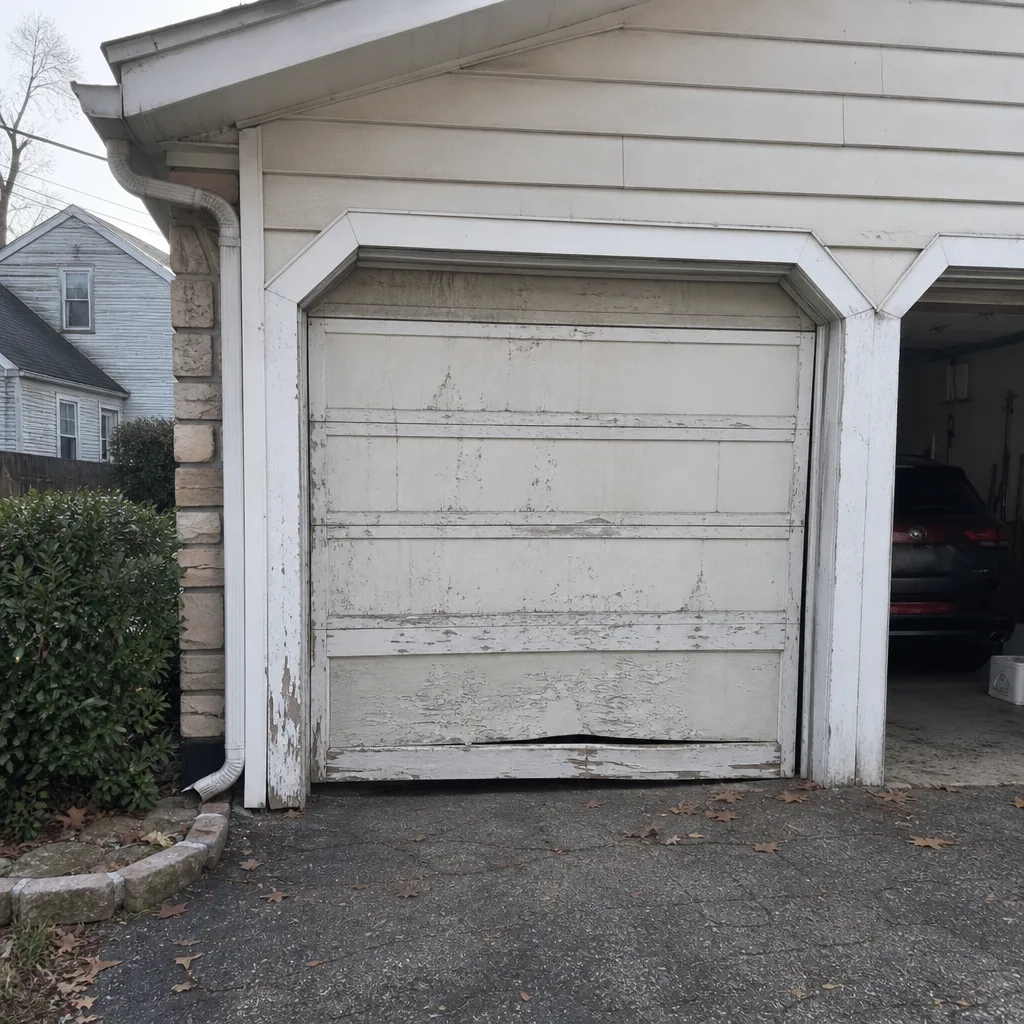 Before
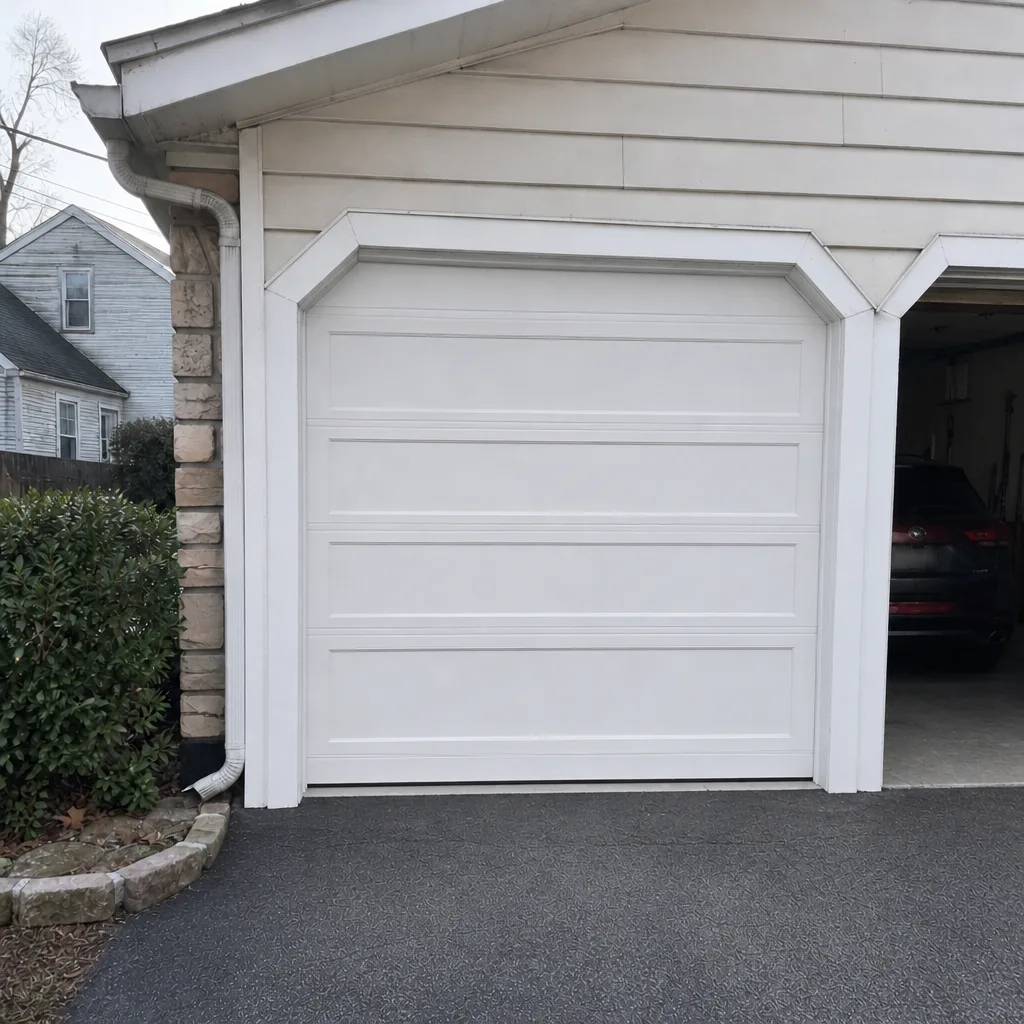 After
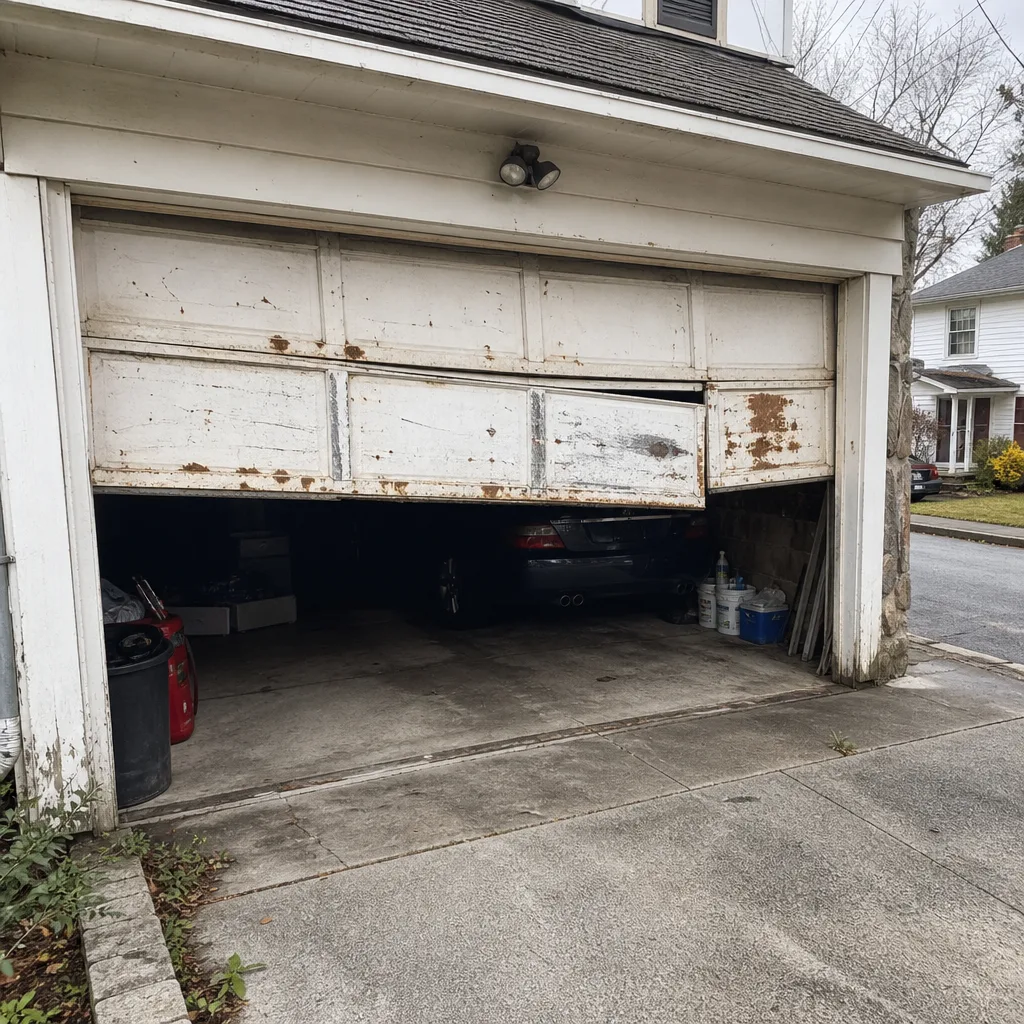 Before
 After
 Before
 After