Last updated November 23, 2026
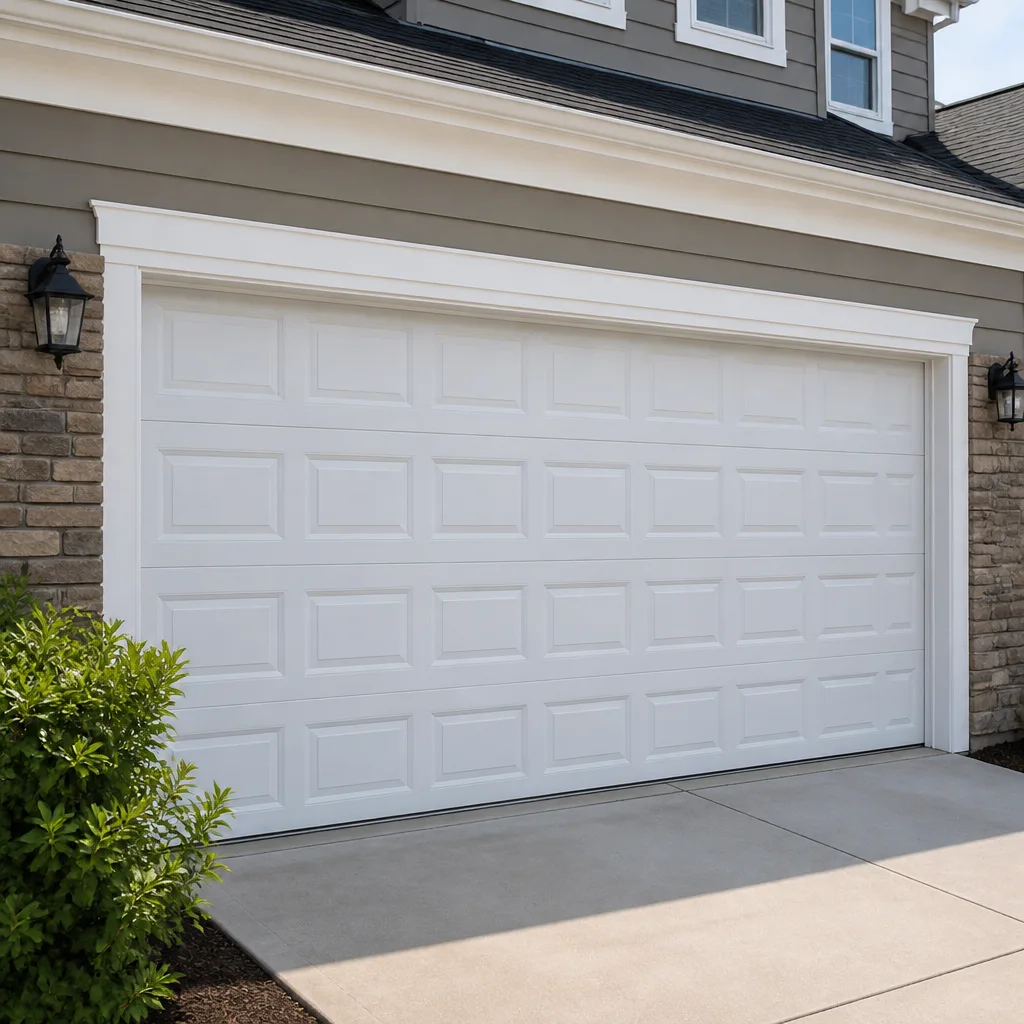 Raised-panel steel
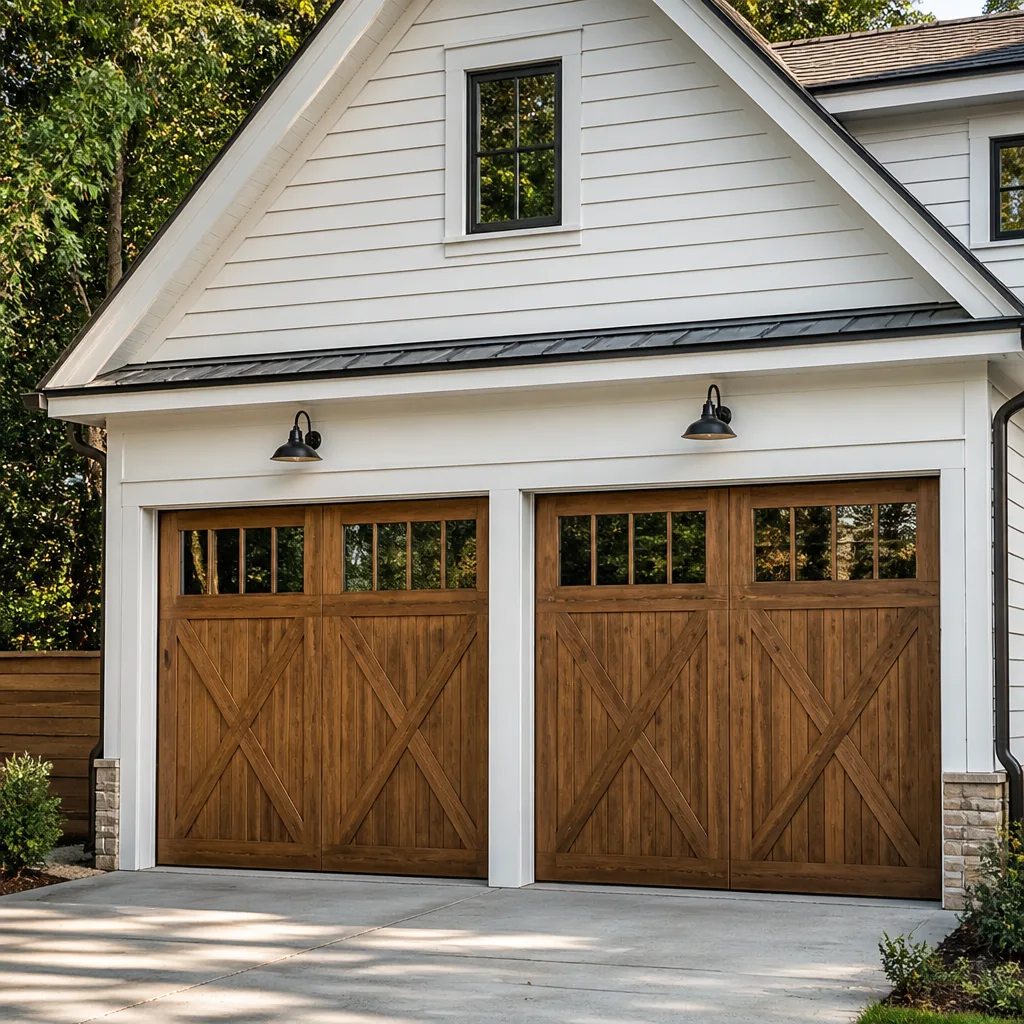 Carriage house
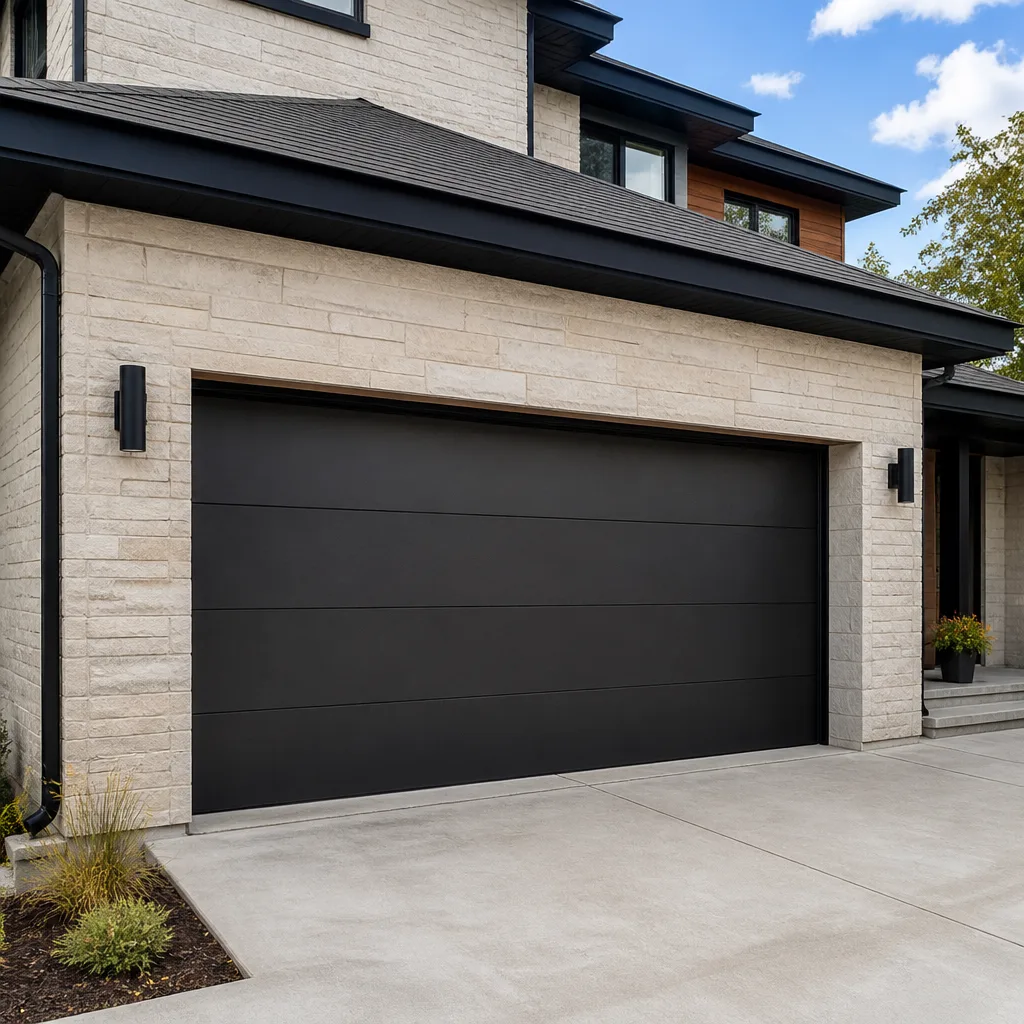 Modern flush
 Full-view glass
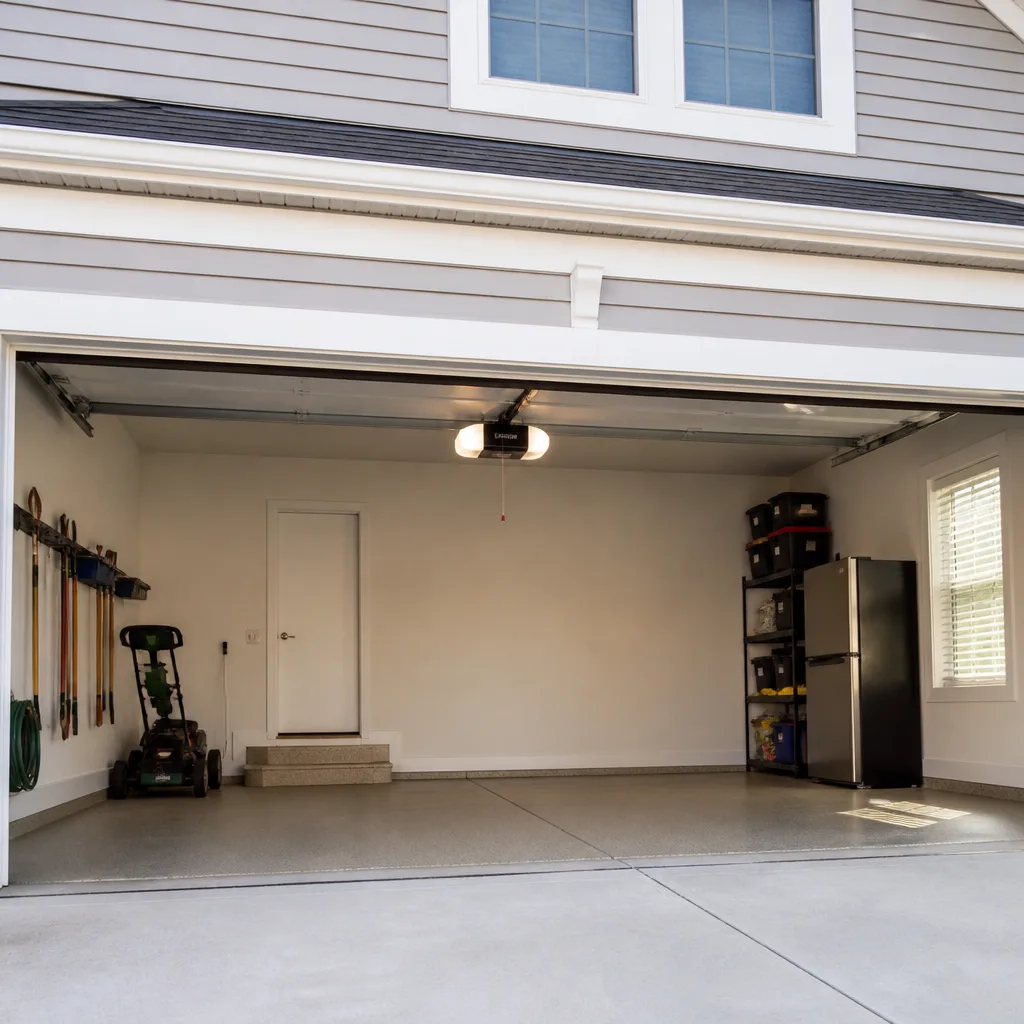 LiftMaster openers
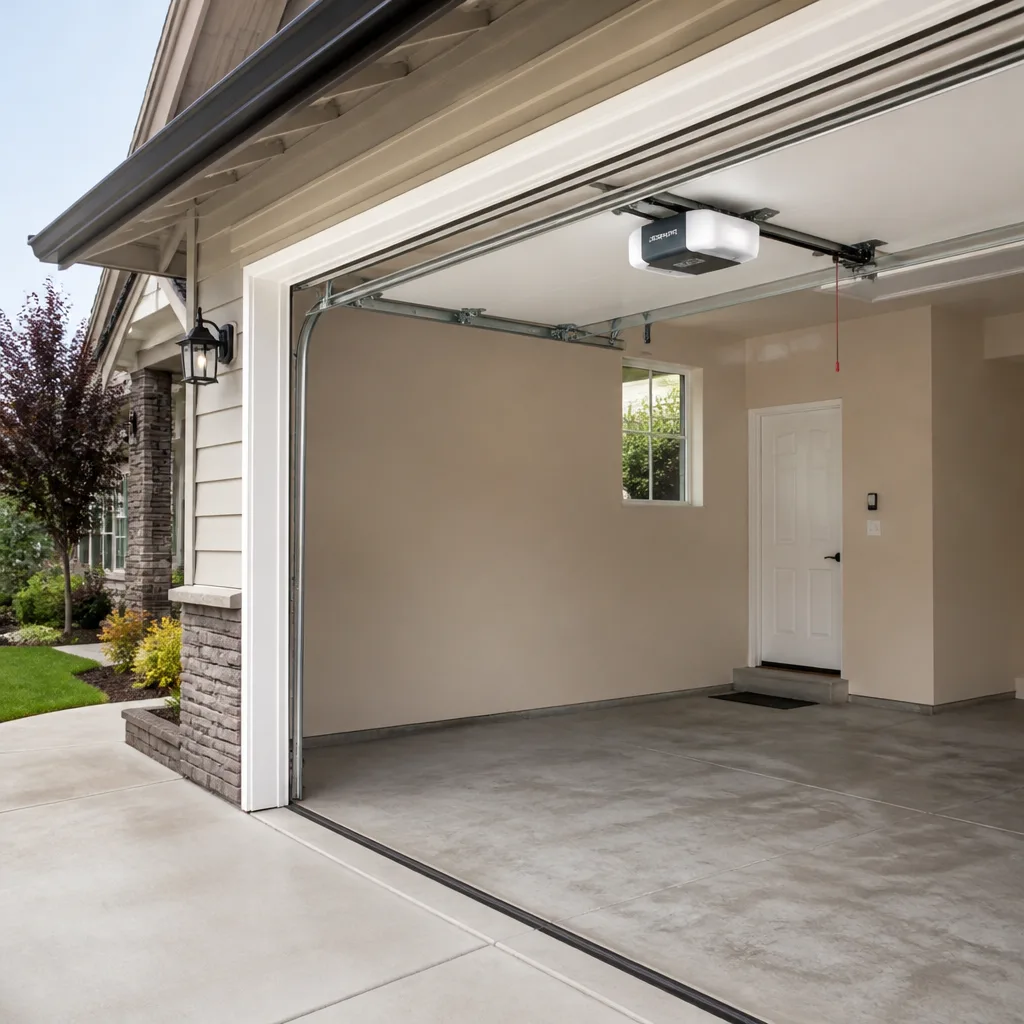 Chamberlain openers
Full 25-point door and opener safety check with every visit - springs, cables, rollers, tracks, and your LiftMaster or Chamberlain opener included
You get a price before we start. It does not change when the pro arrives.
Get your free estimateDIY vs Professional Garage Door: The Port Chester Homeowner’s Decision Guide
Most homeowners assume the DIY-versus-professional question is about confidence. It isn’t. A garage door is a counterweight system, and the moment you touch the springs you’re working inside stored energy, not hardware. Homeowners in Port Chester routinely handle the small stuff themselves and then draw a line at the wrong place, usually just before the spring. This guide draws the line where the physics actually sits, with a task-by-task split, the real cost math on a spring job, how New York insurance and code rules treat a DIY failure, and how to use maintenance to keep the pro visits rare.
Styles & brands we work with
- Raised-panel steel
- Carriage house
- Modern flush
- Full-view glass
- LiftMaster openers
- Chamberlain openers
Quick Answer
You can safely replace the bottom seal, lubricate the moving parts, align the safety sensors and reprogram remotes. Everything that carries the door’s weight or controls its travel – torsion springs, extension springs, cables, track realignment, opener motor and gear replacement – belongs to a trained technician. A torsion spring holds a torque load in a range no homeowner should stand under without training, and that’s the point where DIY stops being a money saver and starts being a serious risk.
Table of Contents
- Why Springs Are the Line, Not the Door
- The Task-by-Task Split: What You Can Do and What You Can’t
- The Real Math on DIY Spring Replacement in Port Chester
- New York Liability: Insurers, Injuries and DIY Work
- Older Port Chester Garages, Fire Ratings and Code
- Using DIY Maintenance to Cut Your Service Calls
- Port Chester Neighborhoods and the Gates You’ll Actually Find
- Opener Problems: The One Repair Some Homeowners Can Handle
- Common Mistakes to Avoid
- When to Call a Professional
- Frequently Asked Questions
- The Bottom Line
Why Springs Are the Line, Not the Door
A garage door weighs far more than most people guess. The springs are what make that weight liftable by hand or by a small motor. On a torsion system, which is what you’ll find on nearly every modern door in Port Chester, the springs are wound around a shaft above the door and hold enough rotational force to lift the door’s entire weight many times over. Winding the spring is how you load that force. That’s the whole job, and that’s the whole danger.
Here’s the part homeowners underestimate. A spring that slips during winding doesn’t stay put and let you try again. It releases the energy it’s carrying in a fraction of a second, into the winding bar and the space around your hands. With nothing between you and the shaft but a short metal rod, there’s no way to react fast enough. Emergency room visits from spring work happen every year in the U.S. for exactly this reason, and it isn’t carelessness – it’s physics in a tight space.
That’s why we treat spring work as its own discipline, not one line inside a general repair call. If you want the technical breakdown of how these systems fail, our page on garage door spring repair walks through tension, cycle life and matched pairs. The short version for this guide: springs and the cables next to them are the specific line where DIY stops making sense. A door panel, a seal, a sensor – something goes wrong and you’re out a part and some time. A spring goes wrong and you’re out something else entirely.
Cables sit on the same side of the line for a related reason. They’re under tension, and a cable that’s cut or slipped can whip back across the garage. They’re not “harder” than a spring; they’re just unforgiving in the same way. Both are technician work, and both are where a trained set of hands pays for itself in damage avoided rather than time saved.
The Task-by-Task Split: What You Can Do and What You Can’t
Some garage door work is genuinely homeowner territory, and we’d rather you do it than call us for it. Here’s the honest split, based on what we see on service calls around Port Chester.
Safe for homeowners
- Bottom seal replacement. The rubber strip along the floor takes the wear. It slides or pulls out of a channel, and a new one slides in. The one local note: our winters put that seal through freeze-thaw cycles, so a seal that worked last fall can look fine in October and let cold air under the door by January.
- Lubrication. Hinges, rollers, the torsion shaft bearings and the track should get a proper garage door lubricant, not WD-40. A thin coat on the moving metal keeps the door quieter and slows corrosion from a wet winter.
- Sensor alignment. The two small photo-eye sensors at the bottom of the tracks must see each other. If the door starts and reverses immediately, a bumped sensor or a cobweb is the usual cause. Line them up, wipe the lenses, and test with an object in the beam.
- Remote reprogramming. New remotes, new keypad codes, a remote that lost its pairing – these are menu tasks in the opener manual, not repairs.
- Visual checks. Look at the springs for a visible gap, listen for a bang, watch whether the door moves evenly, and check for loose bolts at the hinges.
Technician territory
- Torsion spring replacement. Loaded, under torque, and dangerous to wind by hand.
- Extension spring replacement. Older Port Chester doors still carry these. They run safety cables through the spring, and a broken extension spring still snaps; the cables are a code requirement and must be intact.
- Cable replacement. Under tension. A slipped cable can whip back and cut.
- Track realignment. A door that’s out of the track needs the door’s full weight and geometry worked out, not a hammer.
- Opener motor and gear replacement. A motor or a stripped gear means opening the gearcase and setting the travel and force limits afterward. If you want the diagnostic side, our page on garage door opener repair explains the symptoms worth knowing.
- Roller and hinge replacement. Sounds simple, and it is, until the door is under tension and you’re working with the door partially up. We handle these as part of a service visit rather than ask homeowners to do the lifting.
If you’re ever unsure which side a task falls on, the rule is simple: if the door’s weight or the spring’s tension is involved, call. If it’s a rubber strip or a sensor, go ahead.
The Real Math on DIY Spring Replacement in Port Chester
Here’s where the debate stops being philosophical. Let’s actually add up a DIY spring job in Port Chester, honestly.
- The tool. A winding bar is the one tool that isn’t optional. A cheap set runs about $25. A reasonable set runs $40 to $60. You need two bars. That’s $40 to $120 right there.
- The spring. A single torsion spring for a residential door typically costs $40 to $90 in Port Chester depending on size and cycle rating. A pair, which is how they’re usually replaced, means doubling that.
- The time. The winding itself is 30 to 45 minutes for someone who’s done it before. For a first-timer, plan on an afternoon of measuring, winding, testing and re-testing, plus the risk that you’ve set the wrong tension and the door travels badly or hits the floor.
- The throwaway. The bottom line on costs isn’t really at issue here – it’s what happens if the spring slips. A cut from a winding bar, a damaged panel, or a door that comes down out of balance and cracks a section. Any one of those is more than the professional repair.
Professional spring replacement in Port Chester typically runs $180 to $340 for a single spring, and $320 to $600 for a matched pair. That range covers the spring, the labor, the safety checks on the cables and the door’s balance and travel adjustments.
So the honest comparison is this: the DIY version costs you $40 to $120 in tools, $80 to $180 in parts (pair), and a half day, with a real chance of ending up calling a professional anyway – and with your tools already bought, your door already unbalanced, and the garage in a worse state than when you started. The professional version costs the range above with a written estimate first, and it comes with the door’s balance, travel and safety reversed checked as part of the job. The math books a professional spring repair as cheaper in almost every case once the time and risk are on the balance sheet.
There’s a second cost that never makes it onto a DIY shopping list: the door’s cycle count. A spring that’s over- or under-wound runs the opener harder and shortens the life of the other spring, the cables and the motor. That’s not something a first-timer can measure without the right tools, and it’s why we replace a pair together rather than just the broken one. Our garage door repair team checks the balance on every spring call for that reason.
New York Liability: Insurers, Injuries and DIY Work
This is the part no one mentions on a YouTube spring-replacement video, and it matters more than most homeowners realize.
Start with the straightforward one. If you’re injured while working on your own garage door, a homeowner’s insurance policy generally doesn’t cover you for your own injuries. Workers’ compensation doesn’t apply because no one employed you. Medical bills land where they land. That’s a real consideration when the job involves loaded springs and a winding bar.
Next, the property damage case. If a DIY spring installation goes wrong and a door drops onto a car, cracks a panel against the floor, or damages the door’s framing, a homeowner’s claim may or may not cover it depending on the policy and how the damage is characterized. This is worth a call to your insurance agent before you decide, not after. We can’t tell you what your policy says, and nobody at this company is an insurance adjuster.
Finally, the one that catches people on resale or a later claim: an improperly installed spring or opener is a known defect in the door’s safety system. When a future inspector finds a spring that was wound wrong or an opener installed without the proper safety reversal setting, that finding gets attached to the property, not to whoever did the work. The paperwork trail we can provide on a professional repair is worth something if a question comes up later.
The general rule: the more of the door’s energy system your work touches, the more of this risk shifts to you. Seals and sensors, no real exposure. Springs, cables and opener motor work, that’s where the question starts and a professional call usually ends it.
Older Port Chester Garages, Fire Ratings and Code
Port Chester has a share of older attached garages, and attached garages carry a specific code question that a DIY door swap can get wrong. Where a garage shares a wall or ceiling with the living space, the door between the two – or the wall itself – is treated as a fire separation, and the requirements are set by code. An improper door swap on an attached garage can leave a home with a fire-rated opening that no longer meets code, and that’s not something you’d notice from inside.
The rule we tell every homeowner here: ask the Village of Port Chester building department what applies to your address before you replace a door, especially on an attached garage. The answer depends on the house and the opening, and it’s a phone call, not a guess. A garage door company doesn’t issue permits; your city’s building department does, and knowing whether you need one is the first question, not the last.
There’s also a practical side specific to older homes in Port Chester. Older doors were sized and framed differently than today’s standard sizes, and a door that’s nominal-measured wrong opens up a code and fit problem at the same time. A professional measurement before ordering is part of what a free estimate covers. We’d rather measure twice and order once. If replacing is the right call for your door, our Port Chester Garage Door Repair Pros team can price both a repair and a replacement so you can compare them honestly.
The brands come up here too. Older doors in Port Chester are often on Amarr or Wayne Dalton systems, and replacement panels and hardware need to be matched to the actual door, not just the rough opening. We work on Amarr and Wayne Dalton doors regularly, along with Craftsman and Raynor systems, and the first step on any replacement is knowing what’s actually hanging there.
Using DIY Maintenance to Cut Your Service Calls
There’s a legitimate middle ground here, and it’s the one most Port Chester homeowners should land on. You handle the maintenance; we handle the repairs. Do the maintenance well and the repairs get rarer.
Here’s a simple monthly routine that takes about ten minutes:
- Lubricate the moving parts. Hinges, rollers, the torsion shaft bearing plates and the track. Garage door lubricant only. Do this once a month through the wet season.
- Test the safety reverse. Put a small object in the door’s path and press the close button. The door should reverse on contact. If it doesn’t, stop and call us – a door that won’t reverse is a safety problem, not a cosmetic one.
- Check the balance. With the door closed and the opener disconnected (pull the release handle), lift the door halfway by hand. It should stay put on its own. If it drifts down, the springs are losing tension.
- Look at the springs. A visible gap in a torsion spring or a stretched extension spring means replacement, not repair. Don’t try to adjust it.
- Wipe the sensors. A clean lens and clear path is the whole job.
- Check the weather seal. Run your hand along the bottom seal after a cold snap. Hard, cracked rubber lets cold air and water in.
That routine won’t fix a spring, and it isn’t meant to. What it does is catch the small problems before they turn into a track bent by an out-of-balance door or a motor worn out by dragging a heavy door up and down. It’s the single best thing a homeowner can do to reduce how often they need us.
Port Chester Neighborhoods and the Gates You’ll Actually Find
Garage doors in Port Chester aren’t all one type, and the DIY decision depends a little on what you’re standing in front of.
Around the Village center and the streets closer to the water, homes tend to sit on tighter lots, and many garages are attached and shallow. That’s where the fire-separation question comes up most, and where a door’s travel and balance matter more because there’s less room for error at the top and floor. If you’re on a narrow lot and your door has been hitting the floor or the header, that’s a professional adjustment, not a homeowner one. The travel limits and the track are what set that, and they’re set wrong more often than people realize.
Further out, on the hillside streets and the blocks with detached garages, you see more older doors on Amarr and Wayne Dalton hardware and more extension springs. Extension springs are the ones where the safety cable down the center matters most, and where a broken spring is visible from the driveway. That’s actually good news – a broken extension spring is usually obvious, and obvious means you call before the car gets trapped.
One more local note. Freeze-thaw cycles are hard on the bottom seals and the door’s alignment. A door that worked fine in the fall can start dragging in January because the concrete has shifted a fraction and the seal is now catching. A dragging door doesn’t need a new door; it needs the travel and the seal checked. That’s the kind of service call we run in Port Chester constantly, and it’s usually a quick one.
What you won’t find here, and what you shouldn’t plan around, is hail. It’s uncommon in this part of New York, so a door damaged by weather usually means wind or a fallen branch, not impact from above. Inspect the panels for dents and cracks after any storm, but the door’s real enemy here is moisture and temperature swings.
Opener Problems: The One Repair Some Homeowners Can Handle
Openers are the part of the system where the DIY line gets blurry, because half the “repair” calls are really setup calls.
If your opener won’t respond, here’s the order to check, and the first three you can do yourself:
- Check the power and the outlet. A tripped GFCI outlet or an unplugged opener is the most common cause of a dead door.
- Check the safety sensors. A misaligned sensor stops the door from closing and looks like a dead opener. Wipe the lenses and re-aim.
- Reprogram the remote. If the wall button works but the remote doesn’t, it’s a remote pairing issue, not a motor issue. The manual has the steps.
- Listen to the motor. A motor that hums but doesn’t move the door usually has a stripped gear or a failed capacitor. That’s technician work, and it’s the point at which you stop and call.
- Check the door, not the opener. If the door is heavy or out of balance, the opener is doing work it shouldn’t and will fail early. Fixing the door fixes the opener.
We service LiftMaster, Chamberlain, Genie and Craftsman openers as routine work, along with the rest of the major brands, and the diagnostic path is the same across all of them. The most common opener replacement we see in Port Chester isn’t a failed motor at all; it’s a motor worn out from lifting an unbalanced door for a couple of years. The opener got the blame, but the springs were the cause.
One thing worth knowing: an opener’s force settings and travel limits are what keep the door from crushing something in its path. A homeowner can follow the manual, but if the settings are wrong and the door won’t reverse, that’s a safety issue. When in doubt, get it checked.
Common Mistakes to Avoid
- Replacing a single spring when the pair is due. Springs are cycled together, so the surviving spring is usually near the end of its life too. Replacing one and leaving the other means a second service call and a door running out of balance in between.
- Using the wrong lubricant. WD-40 and general-purpose sprays attract dust and dry out the rollers. Use a garage door lubricant made for the job.
- Adjusted the opener’s force setting to make a heavy door move. Cranking up the force hides the real problem, which is a tired spring or a binding track. It also wears the motor faster and makes the safety reverse less reliable.
- Ignoring a broken extension spring’s safety cable. Older doors in Port Chester often have one, and it’s there to contain the spring if it breaks. A missing or loose cable is a code issue and a safety issue.
- Replacing a door on an attached garage without checking fire-rating requirements. Forgetting this in Port Chester means a permit question and a code violation that turns up later. Ask the building department first.
- Ordering a door from a big-box store by rough opening size alone. The door has to match the actual opening, the headroom and the track. A wrong-size door is a return and a delay, not a savings.
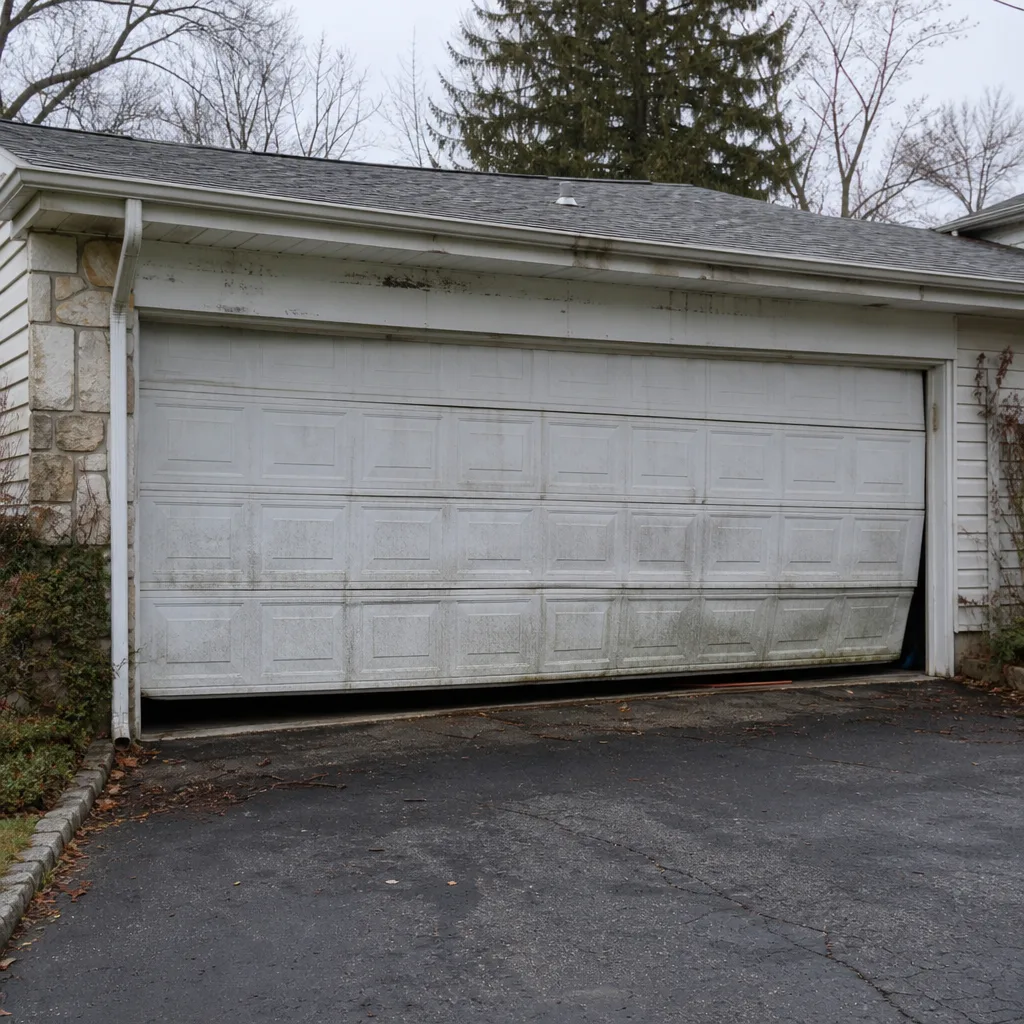
- Trying to fix a door that’s come off its tracks. We see this most in the winter, when a door that’s already dragging catches on a frozen threshold and jumps the track. Pushing it back on by hand can bend the track or drop the door. Call instead.
When to Call a Professional
Call a professional the moment any of these come up: a spring breaks or you hear the bang that means it did, the door comes off its tracks, a cable is frayed or loose, the door is noticeably heavy to lift by hand, the opener hums without moving the door, or the safety reverse doesn’t work. Those are the cases where the next move should be a phone call, not a tool run.
Port Chester Garage Door Repair Pros offers free estimates in Port Chester at (877) 492-4069. Our technicians have up to 10 years of experience and handle the whole range of repairs, opener work, spring repair and full installation, so you’re not calling a second company for the next problem. Emergency service is a real offering here, not an upsell – if the door is stuck and the car is trapped inside, we can work with you on it. And on every job, the price is quoted and agreed before any work starts, so the invoice matches the estimate. If you want to price a repair without committing, we’re happy to take a look.
Frequently Asked Questions
You can, but you shouldn’t. A torsion spring carries enough stored energy to cause serious injury if it slips during winding, and extension springs can whip when they break. The tools and parts run $120 to $300 for a pair, and the risk of a slip is real even for careful homeowners. A professional spring repair in Port Chester typically costs $180 to $340 for a single spring and $320 to $600 for a matched pair, quoted before any work starts. Call (877) 492-4069 for an exact quote – estimates are free.
Single-spring replacement typically runs $180 to $340 to $340, and a matched pair usually runs $320 to $600. The range covers the spring, labor and the balance and travel checks we do as part of the job. Prices are estimates, and the written quote we give you before work starts sets the final price. Call (877) 492-4069 – estimates are free.
It depends on the policy and the type of damage, and no one here can tell you what your policy says. Generally, homeowner’s insurance doesn’t cover your own injuries while doing your own work. Property damage from a DIY failure may or may not be covered. The safer move is to call your insurance agent before the job, not after. If you’d rather not take the risk, we can give you a free estimate on a professional repair.
In most cases, yes – emergency garage door service is a core part of what we do, and a door stuck open or trapping the car is exactly the call we take. Fast dispatch runs from 7am to 7pm. We’re closed on Saturdays and can book you in early mornings or on Sunday. Call (877) 492-4069 and we’ll find the soonest available time.
It depends on the door and the garage, especially on an attached garage where fire separation comes into play. Ask the Village of Port Chester building department directly – that’s the only source that can tell you what applies to your address. We don’t issue permits, but we can help you understand what your opening needs before you order a door.
The local professional we connect you with is licensed and insured as their state requires. Our technicians have up to 10 years of experience and are trained on the major brands, including LiftMaster, Chamberlain, Genie, Clopay, Amarr, Wayne Dalton, Craftsman and Raynor. Every price is quoted and agreed before any work starts. Call (877) 492-4069 for a free estimate.
The Bottom Line
The DIY-versus-professional split on a garage door isn’t a skill test, it’s a physics question. Rubber seals, sensor alignment, lubrication, remotes and visual checks are yours, and doing them well is the best way to keep repair calls rare. Springs, cables, tracks and opener internals are loaded systems, and that’s where the math and the liability both point to a trained technician. If you’re in Port Chester and the question is springs, cables or a door off its tracks, get a free estimate before you make a move. Our technicians have up to 10 years of experience, and the quote comes before the work, not after.
Written by the team at Port Chester Garage Door Repair Pros.
See the difference
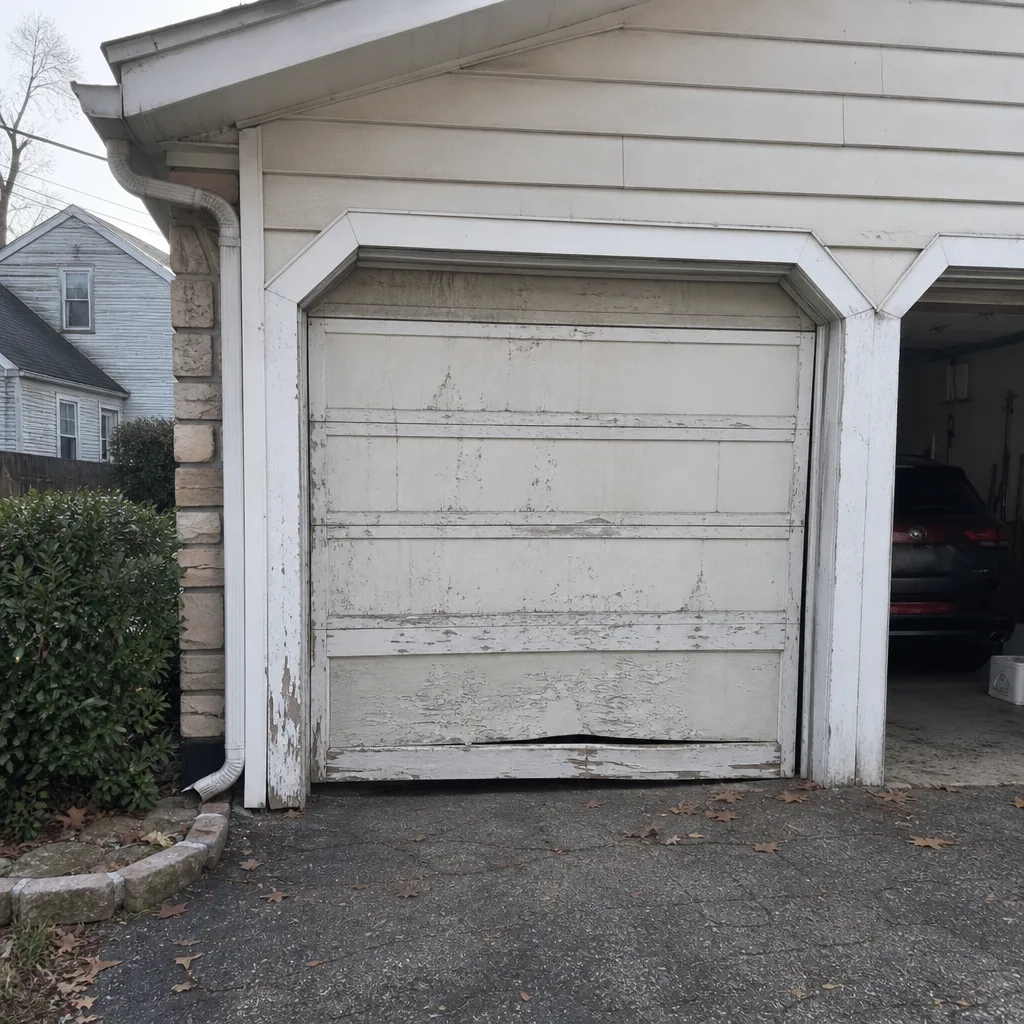 Before
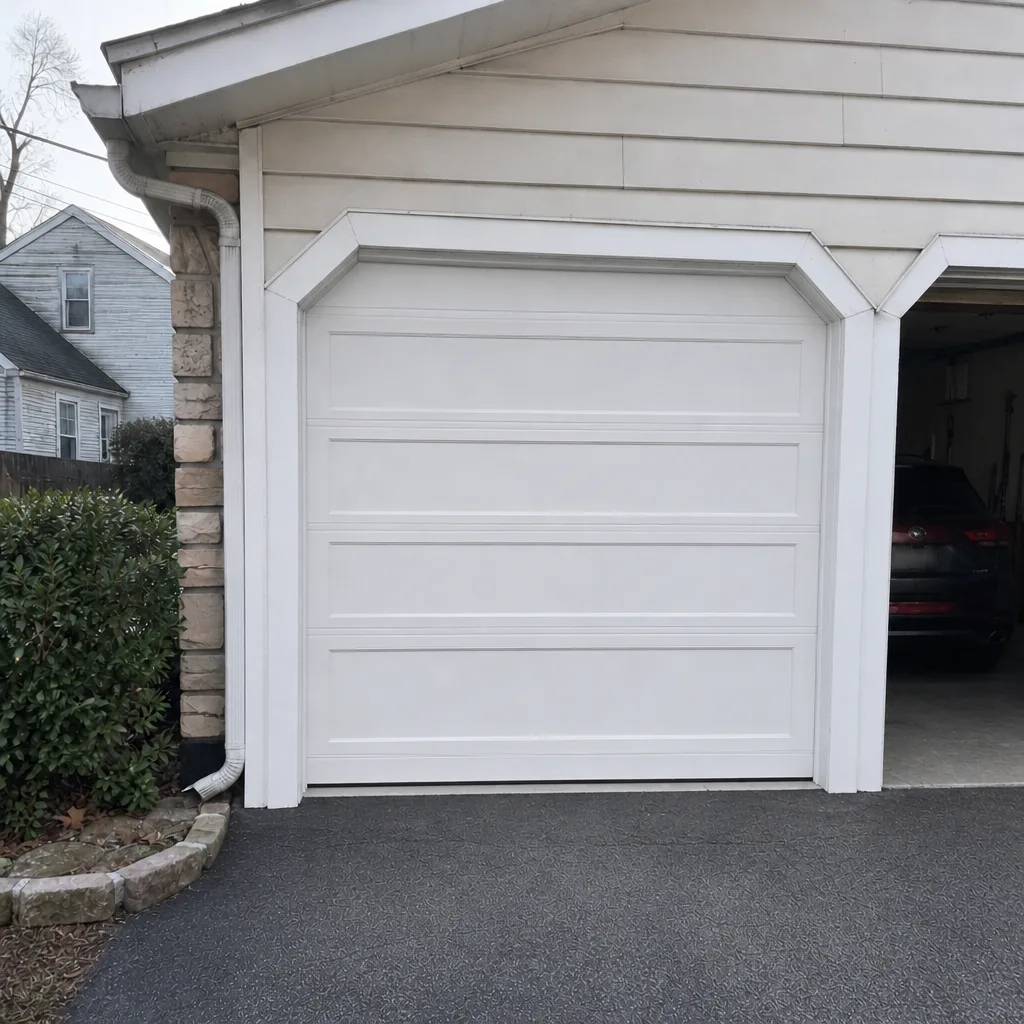 After
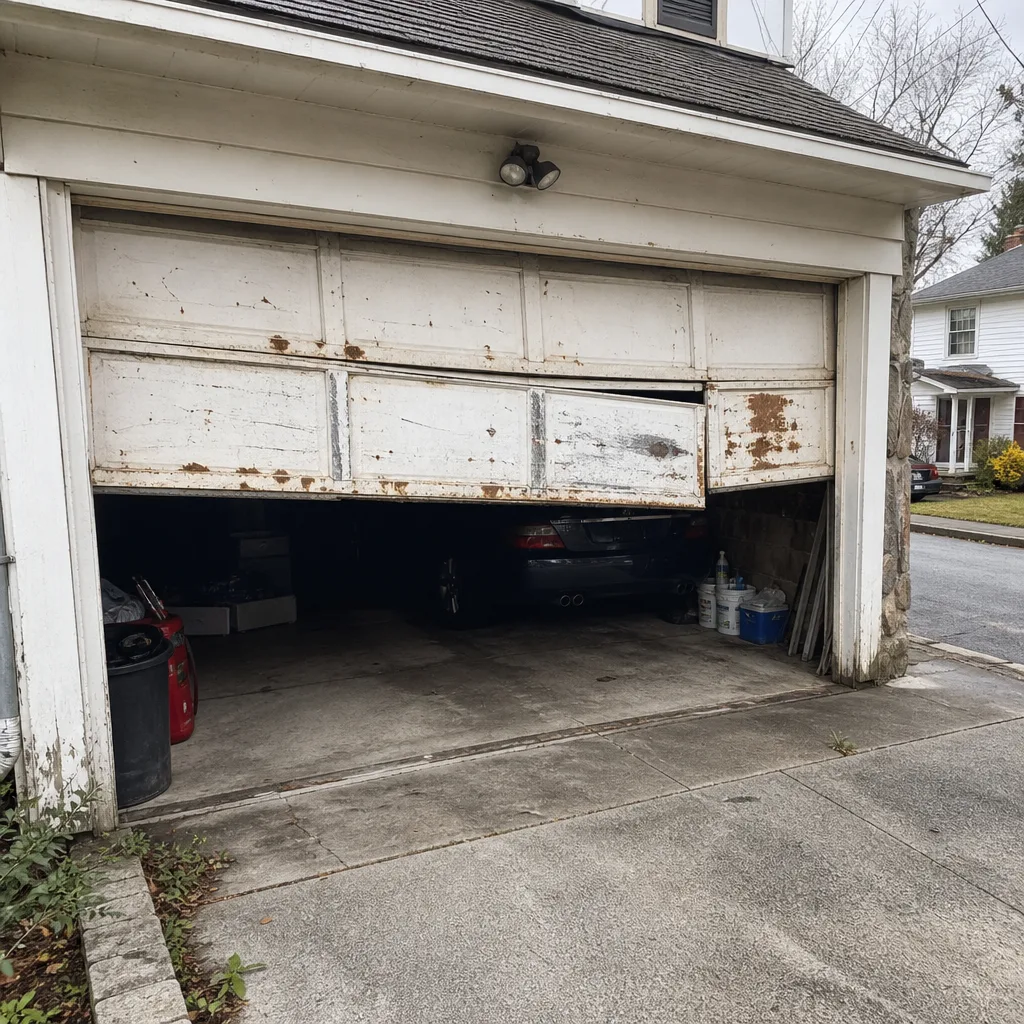 Before
 After
 Before
 After